- Have any questions?
- +971 50 7210729
- +971 2 2358552
- info@almerzaam.com


When to Schedule a Truck Service to Avoid Breakdowns?
May 21, 2025
Top 10 Waste Management Tips for Reducing Household Waste Efficiently
June 7, 2025
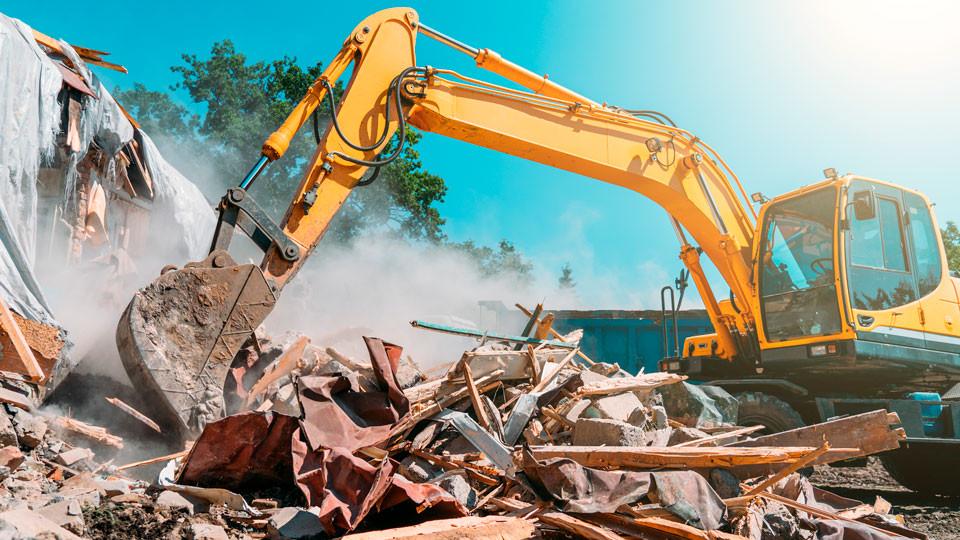
Construction projects generate a substantial amount of waste, ranging from concrete debris and wood scraps to packaging materials and unused supplies. If not managed properly, this waste can have a significant environmental impact and increase project costs. That’s why implementing effective construction waste management practices is critical to improving sustainability, saving money, and meeting regulatory standards.
Here are the best practices that every construction company should follow for efficient and responsible construction waste management:
1. Plan for Waste Management Early
Successful construction waste management starts during the planning phase. Developing a waste management plan before the project begins helps set clear goals for waste reduction, segregation, recycling, and disposal. This plan should identify the types of waste expected, storage areas for different materials, and procedures for safe disposal or recycling.
2. Waste Segregation at Source
Separating waste at the source is one of the most effective practices. Materials such as wood, metal, plastic, concrete, and drywall should be collected in separate containers. Proper labeling and color-coded bins make segregation easier and increase recycling potential. Segregated waste is not only easier to manage but also reduces the chances of contamination.
3. Reuse and Recycle Materials
Many construction materials can be reused or recycled. Bricks, tiles, and wood can be repurposed for future projects, while metals and concrete can be sent to recycling facilities. Recycling reduces the demand for new materials and minimizes landfill waste. Collaborating with local recycling centers or certified waste processors makes this process more efficient.
4. Educate the Workforce
On-site workers play a key role in ensuring effective construction waste management. Training staff on waste segregation techniques, the importance of recycling, and how to handle hazardous waste safely can significantly improve compliance and reduce waste. Regular reminders, signage, and toolbox talks can keep waste management top of mind throughout the project.
5. Track and Monitor Waste
Monitoring the volume and type of waste generated helps identify areas for improvement. Keeping accurate records allows project managers to assess whether they are meeting waste reduction goals. It also provides valuable data for future projects and helps demonstrate regulatory compliance.
6. Choose the Right Waste Disposal Partners
Working with licensed and experienced waste disposal providers ensures that construction waste is handled responsibly. These partners help transport, sort, and dispose of waste in line with environmental regulations. They may also offer insights on how to improve waste reduction efforts on-site.

Conclusion: AL MERZAAM ENVIRONMENT & TRANSPORT – Your Partner in Responsible Construction Waste Management
When it comes to dependable and sustainable construction waste management, AL MERZAAM ENVIRONMENT & TRANSPORT has earned a strong reputation for excellence. Their professional services are designed to support contractors, developers, and project managers in handling waste responsibly. From safe collection and transport to eco-friendly disposal and recycling solutions, AL MERZAAM brings experience, efficiency, and environmental responsibility to every job—ensuring your project stays clean, compliant, and cost-effective.