- Have any questions?
- +971 50 7210729
- +971 2 2358552
- info@almerzaam.com


What Are the Best Practices for Construction Waste Management?
May 28, 2025
How Often Should You Perform Truck Service and Inspections?
June 14, 2025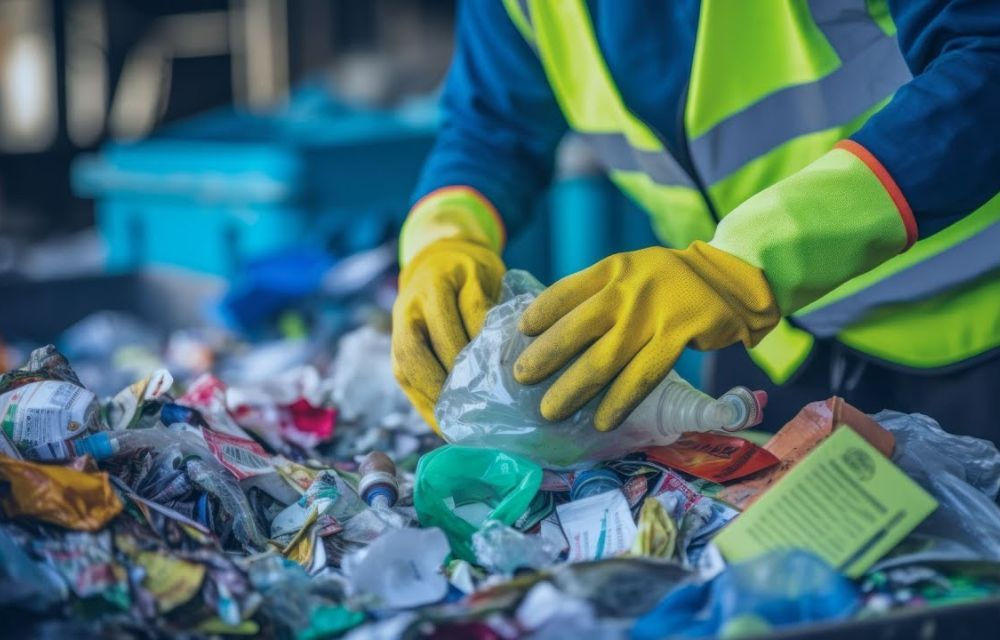
In today’s world, managing waste is no longer a choice—it’s a necessity. As urban populations grow and consumption increases, households are generating more waste than ever before. Especially in a rapidly developing region like the UAE, sustainable practices are key to keeping our communities clean and environmentally responsible. Implementing proper strategies for reducing household waste plays a critical role in promoting effective waste management in UAE.
Here are the top 10 waste management tips to help you reduce household waste efficiently and contribute to a cleaner, greener future:
1. Reduce First, Reuse Second, Recycle Third
The golden rule of waste management starts with reducing what you consume. Before buying, ask yourself: Do I really need this? Next, reuse items instead of discarding them—glass jars, shopping bags, and containers can all serve multiple purposes. Finally, recycle what cannot be reused. This 3Rs hierarchy forms the foundation of sustainable waste management in UAE and globally.
2. Compost Organic Waste
Kitchen scraps, fruit peels, vegetable skins, and garden clippings can all be composted at home. Composting reduces landfill pressure and provides rich natural fertilizer for plants. With increasing awareness about sustainability, many households in the UAE are adopting composting as a daily habit. Composting also cuts down methane emissions produced from organic waste decomposing in landfills.
3. Say No to Single-Use Plastics
Plastic bags, straws, and disposable utensils are major contributors to environmental pollution. Replacing these with reusable alternatives like cloth bags, metal straws, and bamboo cutlery can significantly reduce plastic waste at home. With government-led initiatives supporting the reduction of single-use plastics, this practice aligns perfectly with efforts for better waste management in UAE.
4. Segregate Waste Properly
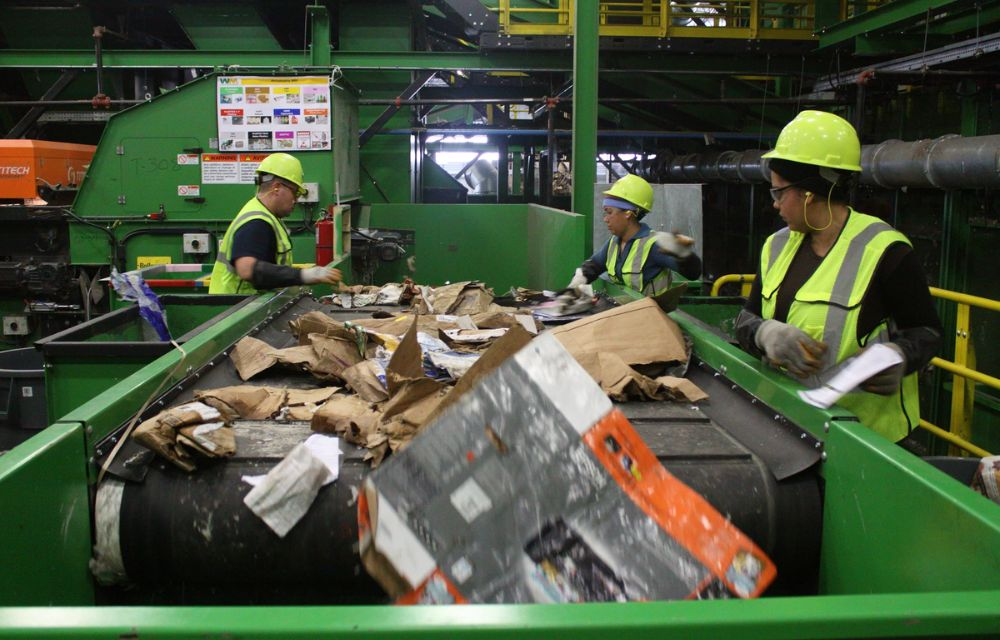
One of the easiest yet most overlooked steps in household waste management is segregation. Separate your recyclables (paper, glass, plastic) from wet and hazardous waste. Use color-coded bins if possible. Proper segregation ensures that recyclable materials are not contaminated and increases the efficiency of municipal waste collection systems.
5. Buy in Bulk and Avoid Over-Packaged Goods
Purchasing items in bulk not only reduces your trips to the store but also cuts down on packaging waste. Avoid goods with excessive plastic or non-recyclable wrapping. Look for eco-friendly packaging options when shopping. This conscious consumer habit is vital for households trying to reduce their waste footprint in line with sustainable waste management in UAE.
6. Repair Before You Replace
Before discarding a broken appliance or piece of furniture, try repairing it. This not only saves money but also minimizes the amount of large waste entering landfills. Communities in the UAE are increasingly supporting repair cafes and second-hand shops to promote a circular economy mindset.
7. Donate Items in Good Condition
Clothes, books, electronics, and furniture that are no longer needed can be donated instead of being thrown away. Numerous charitable organizations in the UAE accept donations, ensuring your pre-loved items find a new home and don’t end up as unnecessary waste.
8. Switch to Digital
Avoid paper clutter by opting for digital bills, e-tickets, online subscriptions, and emails instead of printed versions. Over time, this reduces paper consumption and minimizes paper waste in households.
9. Avoid Food Waste
Plan your meals, make grocery lists, and store food properly to avoid spoilage. Keep track of expiry dates and use leftovers creatively. Food waste is a major component of household garbage, and by minimizing it, you’re making a big impact on efficient waste management in UAE.
10. Educate and Involve the Whole Family
Waste reduction isn’t a one-person job. Educate your family members about sustainable waste practices. Get children involved in sorting recyclables or maintaining the compost bin. The more everyone understands the importance of reducing waste, the easier it becomes to adopt long-term habits.
Also Read – What Are the Best Practices for Construction Waste Management?
Why These Tips Matter More Than Ever in the UAE
The UAE government has set ambitious goals to divert 75% of waste from landfills by 2025. Household waste makes up a significant portion of total waste generated in the country. Hence, every home that adopts sustainable practices contributes directly to the success of national environmental policies. Furthermore, public and private partnerships in waste collection, recycling, and treatment are making it easier for citizens to participate actively in waste reduction.
From Dubai to Abu Dhabi and beyond, communities are becoming increasingly eco-conscious. Recycling programs are expanding, smart bins are being installed, and more resources are being allocated to educate residents about environmental responsibility.
Conclusion: A Reliable Partner in Sustainable Waste Management
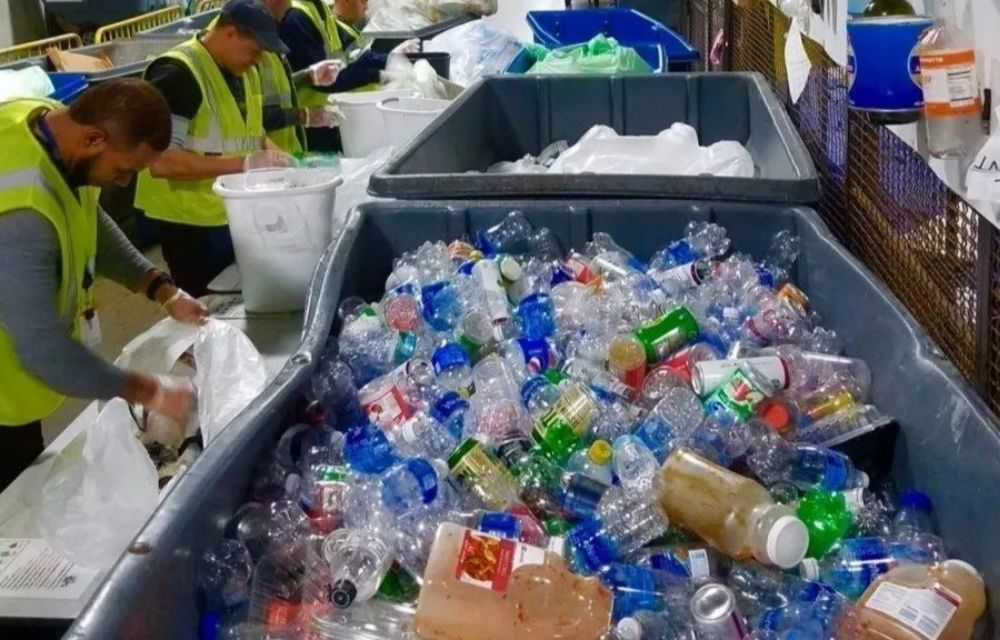
While individual efforts make a big difference, having the support of professional environmental services is essential for long-term success. For those seeking expert solutions in waste management in UAE, Al Merzaam Environmental & Transport LLC. shines as a trusted name. Their commitment to sustainability, efficiency, and innovation ensures that both households and businesses can manage their waste responsibly and in line with the UAE’s green vision. With Al Merzaam by your side, you don’t just reduce waste—you help build a cleaner, smarter future for everyone.