- Have any questions?
- +971 50 7210729
- +971 2 2358552
- info@almerzaam.com


How Waste Disposal Impacts Public Health?
May 7, 2026
What Is Skip Service and How Does It Work?
May 21, 2026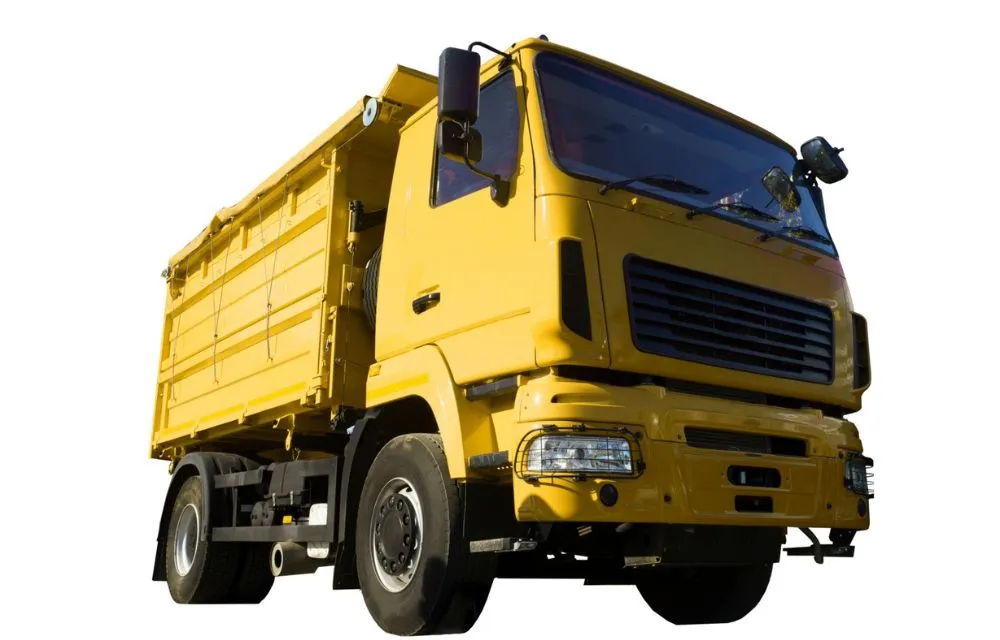
The dump trucks are important in the construction, mining, waste management, and transportation sectors. It could be the movement of sand, gravel, debris, or heavy materials, but regardless of the task, these powerful vehicles are meant to work on these uncompromising tasks effectively. Companies that seek trustworthy logistics will find truck service in Abu Dhabi important so that transportation and project realization will not be a problem. Al Merzaam Environmental and Transport LLC. is a highly reputed company known to provide reliable services in waste management and transportation solutions throughout the state of Abu Dhabi in the UAE.
This blog will further elaborate on the various varieties of dump trucks and gain knowledge on their distinguishing characteristics and uses.
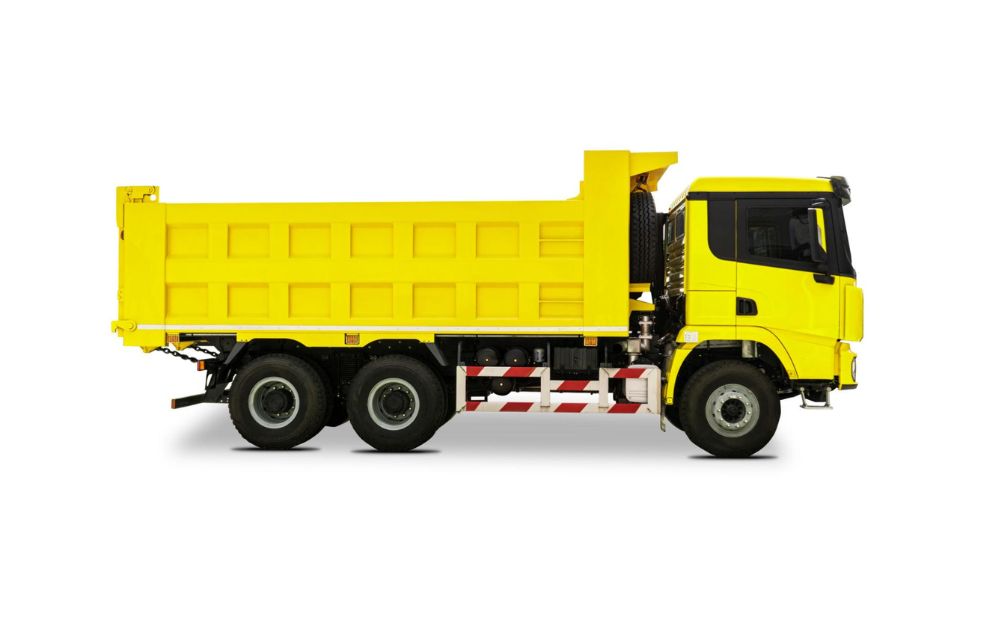
1. Standard Dump Truck
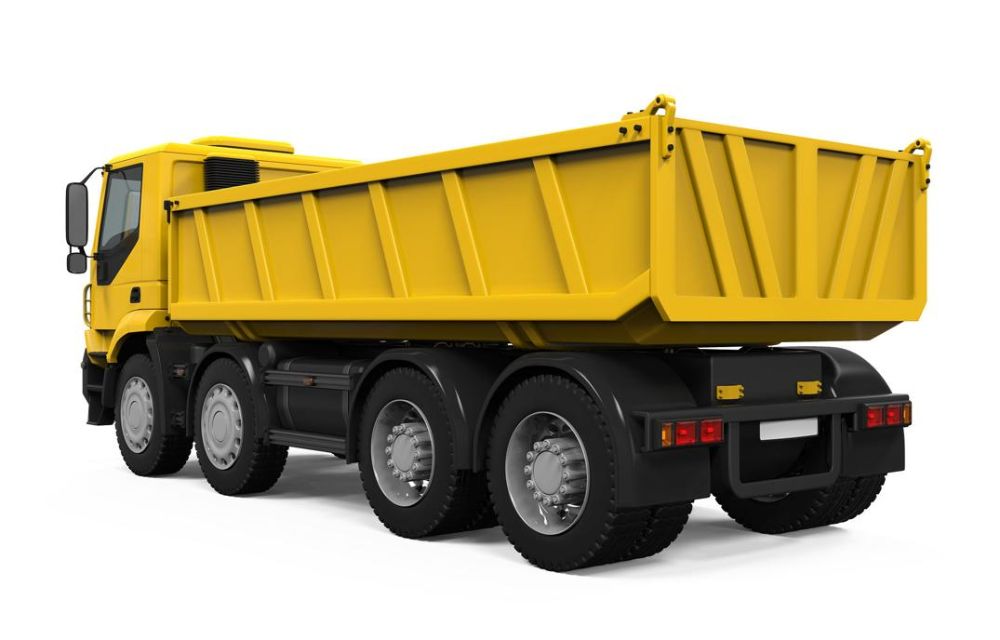
The most common one is the standard dump truck. It is made up of a chassis of trucks and has a hydraulic bed attached to the rear. The bed is raised on the front side, and the materials are loaded off the back side.
Key Features:
- Hydraulic Lifting mechanism.
- Rear dumping capability
- Easy to operate and maintain
Applications:
- Construction sites
- Roadwork projects
- General material transport
The vehicles are optimal in the city and medium-sized operations as they are flexible and maneuverable.
2. Articulated Dump Truck (ADT)
The articulated dump trucks are meant to work in rugged area. They have a pivot joint between the cab and the dump box that enables them to move better on uneven ground.
Key Features:
- Central articulation joint
- All-wheel drive
- High stability on slopes
Applications:
- Mining operations
- Big building and construction ventures.
- Off-road environments
These trucks are much more efficient in places that are not favorable to ordinary trucks, particularly in muddy or rocky places.
3. Transfer Dump Truck
The transfer dump truck consists of a regular dump truck with a trailer that has another container. The arrangement enhances the carrying capacity without compromising on movement.
Key Features:
- Additional trailer for extra load
- Flexible unloading options
- Increased efficiency
Applications:
- Large-scale construction
- The movement of various goods.
- Long-distance hauling
It is a popular type in the case where payload maximization is a necessity.
4. Side Dump Truck
A side dump truck, in contrast to other models, unloads the material by tilting the bed to the side.
Key Features:
- Side tipping mechanism
- Faster unloading
- Increased stability in dumping.
Applications:
- Road construction
- Dispersal of products such as gravel or soil.
- Projects that have to be in a fixed position.
Side dump trucks can be used, especially where there is a restricted or linear scope of work.
5. Bottom Dump Truck (Belly Dump)
A bottom dump truck discharges the contents at the bottom of the truck using a clamshell gate.
Key Features:
- Bottom discharge system
- Forced and even dispersion.
- Quick unloading
Applications:
- Road paving
- Laying asphalt or sand
- Preparation of agricultural land.
These trucks are ideal for projects where there is a need to have the materials evenly distributed.
6. Rigid Dump Truck
Rigid dump trucks are huge trucks that are mostly used in mining and quarrying. Their size does not suit the public roads.
Key Features:
- Fixed chassis (no articulation)
- High payload capacity to a very high degree.
- Heavy-duty design
Applications:
- Open-pit mining
- Quarry operations
- Large-scale earthmoving
There are models that are capable of transporting very heavy loads, hence they are very necessary in work at the industrial level.
7. Super Dump Truck
A super dump truck is an enhanced form of the standard one, with more axles to help in the transportation of heavier products.
Key Features:
- Extra load-bearing axles
- Increased payload capacity
- Better weight distribution
Applications:
- Heavy construction
- Infrastructure projects
- Bulk material transport
These trucks are highly designed to satisfy high-capacity requirements effectively.
8. Semi-Trailer Dump Truck
This is a combination that has a tractor with a trailer that has its hydraulic dumping system.
Key Features:
- Large payload capacity
- Trailer-based dumping
- Suitable for long hauls
Applications:
- Highway construction
- Long-distance transport of bulk materials.
They, however, need a stable ground during unloading to avoid tripping.
Suggested Read – How Do Truck Service Providers in Abu Dhabi Handle Hazardous or Industrial Waste Safely?
9. Grapple Truck (Specialized Dump Truck)
A grapple truck comes with a hydraulic arm that is used to collect and load bulk waste materials.
Key Features:
- Built-in grapple loader
- Requires fewer workers
- Adequate in waste management.
Applications:
- Municipal waste collection
- Debris removal
- Recycling operations
These trucks are popular in waste management because of their efficiency and versatility.
Conclusion
Knowledge of the various kinds of dump trucks assists businesses in making the right decision on the kind of vehicle to use. There are everyday type dump trucks (utilized in regular construction operations) and giant types of dump trucks (operated in mining operations) used for their intended purpose.
In companies that require good logistics and waste transportation, it is important to select a reputable truck service in Abu Dhabi. Al Merzaam Environmental and Transport LLC. is one of the most suitable waste management and transportation companies in Abu Dhabi in the United Arab Emirates, which has been providing professional services based on the needs of different industries.
The choice of the dump truck, along with the skillful service providers, will guarantee efficiency, safety, and cost effectiveness of any project.