- Have any questions?
- +971 50 7210729
- +971 2 2358552
- info@almerzaam.com


How to Optimize Fuel Efficiency Through Proper Truck Service?
July 28, 2025
How Regular Truck Service Can Improve Fuel Efficiency?
August 14, 2025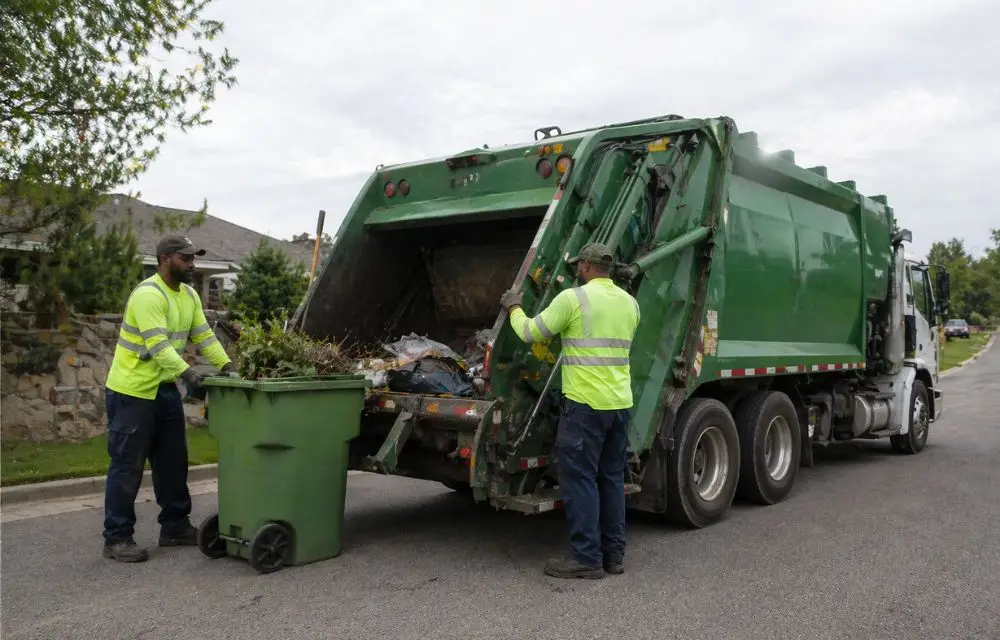
Introduction: A New Era in Waste Management
The world is witnessing an unprecedented shift in how waste is collected, treated, and repurposed. Traditional waste management systems, once reliant on manual operations and landfill-based disposal, are rapidly being transformed by smart technologies. With sustainability goals becoming a top priority for governments and corporations alike, the integration of digital tools and automation into waste handling processes is paving the way for a cleaner, more efficient future. This transformation is particularly evident in waste management in UAE, where innovation, policy, and infrastructure are working in tandem to create one of the most progressive waste ecosystems in the region.
The Smart Tech Tools Reshaping Waste Management
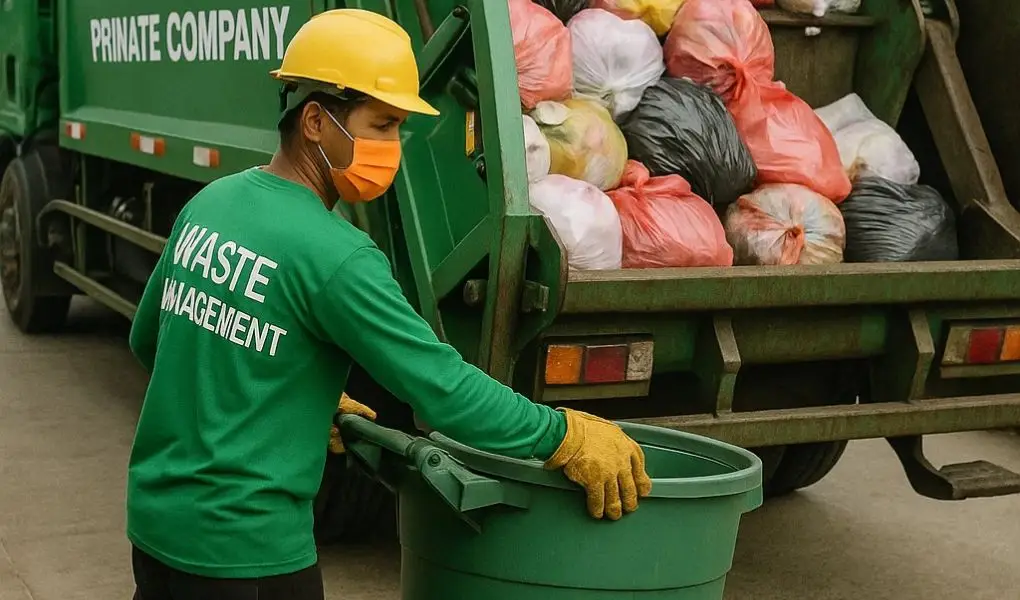
Modern waste management isn’t just about garbage collection—it’s about data, efficiency, and sustainability. Here’s how smart technologies are changing the game:
1. IoT-Enabled Waste Bins
Internet of Things (IoT) sensors embedded in waste bins can now detect fill levels in real-time. This data is transmitted to waste collection centers, helping them optimize pickup routes, reduce unnecessary trips, and cut down on fuel emissions. These “smart bins” are increasingly being used in urban centers across the UAE, reducing operational costs and ensuring that bins are emptied before they overflow.
2. AI-Based Waste Sorting Systems
One of the biggest challenges in recycling is effective segregation of waste. Artificial intelligence (AI) has now made it possible to automate sorting through vision recognition systems and robotic arms. These technologies can accurately differentiate between plastics, metals, paper, and organic waste, increasing recycling efficiency and reducing contamination in recycled batches.
3. GPS & Route Optimization
Smart fleet management systems use GPS and route optimization software to guide waste collection vehicles. These systems analyze traffic patterns, fill-level data, and road conditions to determine the most efficient collection routes. In the UAE, such advancements are supporting municipalities in minimizing fuel consumption and reducing carbon footprints.
4. Blockchain for Transparency and Compliance
Blockchain is emerging as a promising solution to bring transparency in waste management in UAE. From documenting the life cycle of waste to tracking hazardous material disposal, blockchain ensures accountability, reduces illegal dumping, and supports environmental compliance through immutable digital records.
5. Waste-to-Energy Technology
Waste-to-energy (WTE) plants convert non-recyclable waste into electricity or heat. This smart technology not only reduces landfill use but also contributes to the UAE’s clean energy goals. The development of the Dubai Waste Management Centre, set to be one of the largest WTE plants in the world, is a significant step in this direction.
Smart Waste Management in UAE: A Regional Leader
The UAE has emerged as a leader in adopting cutting-edge technology for waste management. As part of its UAE Vision 2021 and now Vision 2031, the country has placed sustainability and innovation at the heart of its development agenda. Cities like Dubai, Abu Dhabi, and Sharjah are already implementing advanced systems for waste collection, recycling, and disposal.
- Sharjah Waste to Energy Plant (a joint venture with Masdar and Bee’ah) is expected to process 300,000 tons of non-recyclable waste annually.
- Dubai’s Smart Waste Management System uses real-time data from thousands of waste bins to make informed decisions regarding collection and routing.
- Abu Dhabi’s Integrated Waste Management Plan emphasizes circular economy practices, turning waste into resources while ensuring minimal environmental impact.
These initiatives reflect how waste management in UAE is not just about disposal but about creating sustainable systems supported by data and smart tech.
Benefits of Smart Waste Management Technologies
Implementing smart technologies in waste management brings a host of benefits:
- Environmental Sustainability: Reduction in landfill dependency, lower greenhouse gas emissions, and increased recycling rates.
- Cost Savings: Less fuel consumption, optimized labor use, and reduced equipment wear-and-tear.
- Data-Driven Decisions: Real-time analytics allow for better forecasting, planning, and community engagement.
- Improved Public Health: Cleaner neighborhoods and efficient hazardous waste disposal reduce the risk of disease and environmental contamination.
For a rapidly urbanizing country like the UAE, these advantages make smart technologies indispensable for maintaining quality of life while growing sustainably.
Also Read – Top 10 Waste Management Tips for Reducing Household Waste Efficiently
Challenges Ahead and the Road Forward
Despite the promising developments, smart waste management still faces challenges such as:
- High Initial Investment: Deploying IoT sensors, AI, and robotics requires significant upfront capital.
- Data Privacy and Security: As systems become more digital, ensuring cybersecurity and data protection becomes essential.
- Public Awareness: Citizens need to be educated about the role of technology in waste segregation and recycling for maximum impact.
To overcome these hurdles, a multi-stakeholder approach is needed, involving government bodies, private companies, and the general public. Collaboration is key to ensuring that the future of waste management is not just technologically advanced but also socially inclusive and environmentally sustainable.
Conclusion: Leading the Way with Vision and Responsibility
As the global waste crisis intensifies, embracing smart technologies is no longer optional—it’s imperative. Waste management in UAE has set a benchmark for how innovation, government support, and strategic planning can come together to drive meaningful change. At the forefront of this transformation is AL MERZAAM ENVIRONMENT AND TRANSPORT, a company recognized for its dedication to environmentally responsible practices and advanced waste solutions. By combining operational excellence with forward-thinking technology, AL MERZAAM continues to play a vital role in shaping a cleaner, smarter, and more sustainable future for the UAE.