- Have any questions?
- +971 50 7210729
- +971 2 2358552
- info@almerzaam.com


Types of Waste Generated During Demolition
June 7, 2026
What Are Flatbed Trailers and How Do They Work?
June 21, 2026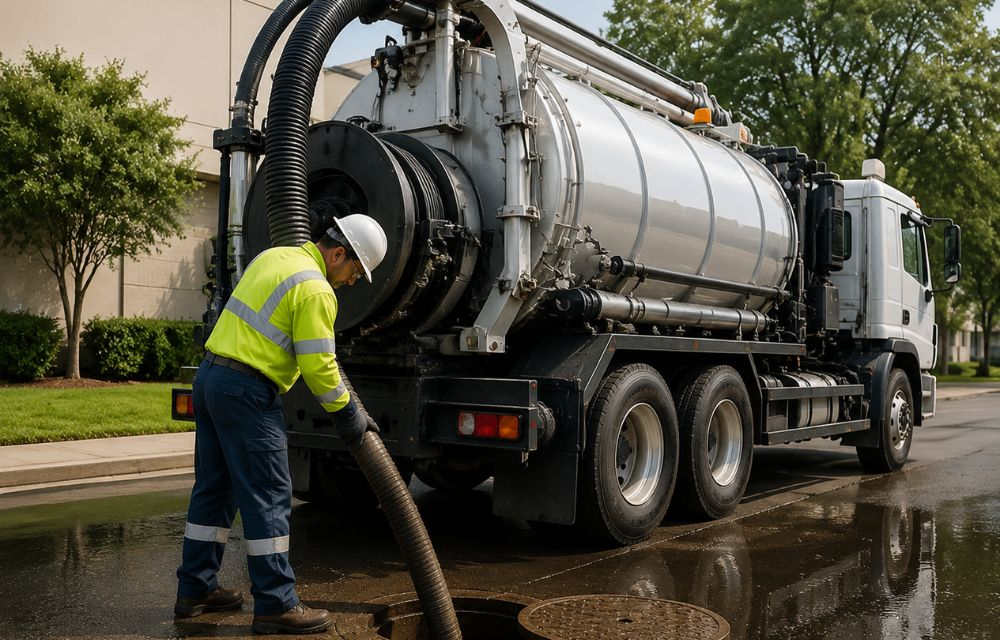
Introduction
Water is the most fundamental requirement for human life, but when that water is contaminated, it becomes one of the most significant threats to public health. Water pollution occurs when harmful substances — whether chemical, biological, or physical — enter water supplies, rivers, groundwater, or coastal waters and make them unsafe for human use. In regions like Abu Dhabi and across the UAE, where much of the drinking water supply comes from desalination and managed water systems, understanding the pathways and health effects of water pollution is critically important. Responsible waste water removal companies in Abu Dhabi play a vital role in preventing the contamination of water sources by ensuring that industrial and domestic wastewater is properly collected, treated, and disposed of rather than being allowed to pollute the environment.
How Water Becomes Contaminated
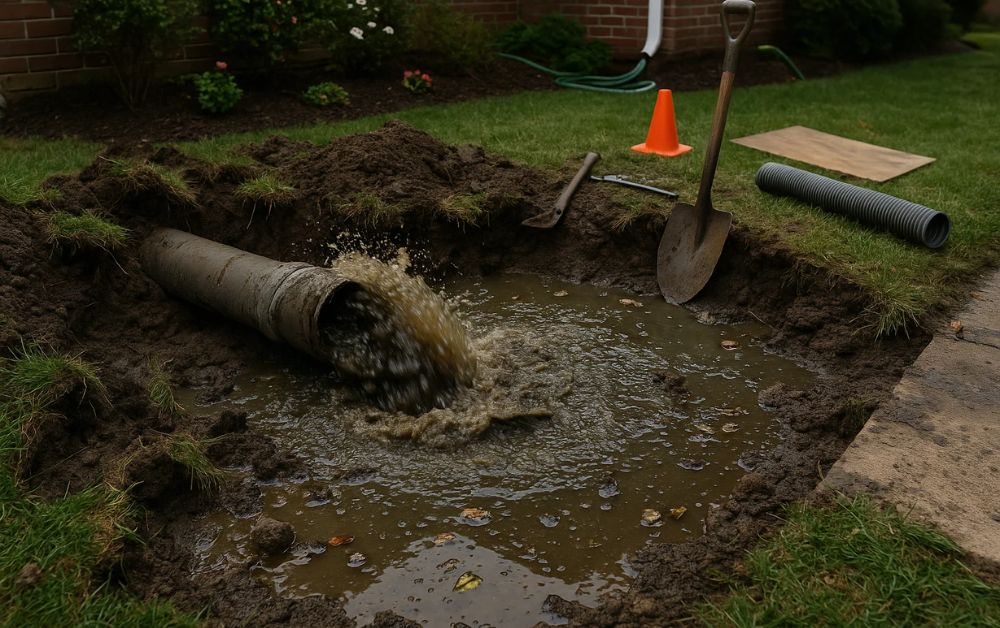
Water can be polluted through many different pathways. Industrial discharge — either accidental spills or deliberate illegal dumping of chemical waste — introduces toxic substances into water bodies. Agricultural runoff carries fertilizers, pesticides, and animal waste into rivers and groundwater. Sewage that is inadequately treated or discharged directly into water bodies introduces bacteria, viruses, and parasites that cause infectious disease. Solid waste improperly disposed of in or near water bodies leaches contaminants as it decomposes. Even air pollution contributes to water contamination through acid rain, which deposits sulfur and nitrogen compounds into water systems.
Gastrointestinal and Infectious Diseases
The most immediate and well-understood health consequence of contaminated water is gastrointestinal illness from consuming water contaminated with disease-causing microorganisms. Bacteria such as E. coli, Salmonella, and Campylobacter, viruses including norovirus and hepatitis A, and parasites such as Giardia and Cryptosporidium all cause diarrhoeal illnesses that range from mildly unpleasant to life-threatening, particularly in young children, elderly people, and those with compromised immune systems.
Cholera, typhoid fever, and dysentery are historically the most devastating waterborne diseases globally, and all are transmitted through contaminated water. While modern water treatment has largely eliminated these diseases from developed water systems, they remain serious risks wherever water infrastructure is inadequate or compromised.
Exposure to Heavy Metals
Long-term exposure to water contaminated with heavy metals such as lead, mercury, arsenic, cadmium, and chromium causes serious and often irreversible health damage. Lead in drinking water — which can enter water through old lead pipework or industrial contamination — causes neurological damage, particularly in children, where it affects brain development and cognitive function. Mercury accumulation affects the nervous system and kidneys. Arsenic, which occurs naturally in groundwater in many regions and can also result from industrial contamination, is a known carcinogen linked to cancers of the skin, bladder, and lungs.
Heavy metal contamination is particularly insidious because it often cannot be detected by taste or appearance, and the health effects develop slowly over years of chronic exposure rather than causing immediate symptoms.
Chemical Contamination
Industrial chemicals, pesticides, pharmaceutical residues, and other synthetic compounds that enter water systems can have serious health consequences. Some of these compounds disrupt the endocrine system, interfering with hormonal function and reproductive health. Others are carcinogenic with long-term exposure. Nitrates from agricultural fertilizer runoff can cause a condition in infants where it affects the blood’s ability to carry oxygen.
The challenge with chemical water contamination is the enormous diversity of compounds that can be present in polluted water, many of which are not routinely tested for in standard water quality monitoring programs.
Suggested Read – What Are the Benefits of Hiring a Professional Waste Water Removal Company?
Skin and Eye Conditions
Contact with polluted water — whether through bathing, swimming, or occupational exposure — can cause a range of skin and eye conditions. Bacteria in contaminated water cause infections and rashes. Chemical contaminants can cause dermatitis, chemical burns in severe cases, and eye irritation and infection. Workers who handle or are exposed to contaminated wastewater without appropriate protective equipment are at particular risk.
The Role of Proper Wastewater Management
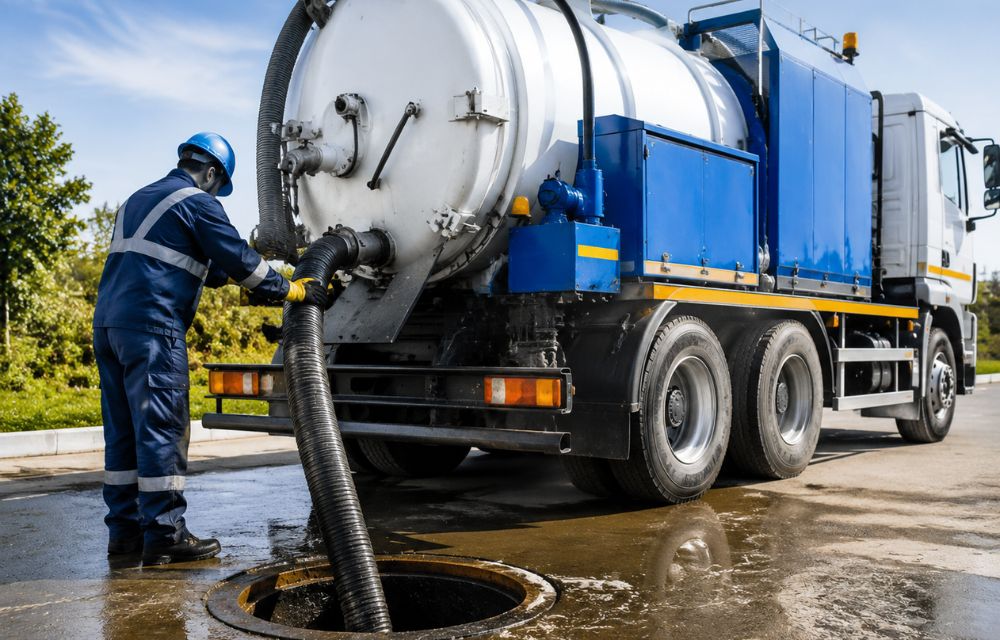
Preventing water pollution begins with responsible management of wastewater at its source. Industrial facilities must treat their process wastewater before discharge. Domestic sewage must be collected and properly treated rather than discharged directly into the environment. Construction sites must implement measures to prevent contaminated runoff from entering drainage systems. This is why the work of waste water removal companies in Abu Dhabi is so important — they ensure that wastewater is handled responsibly from collection through to treatment and final disposal, preventing it from becoming a source of environmental and public health contamination.
Conclusion
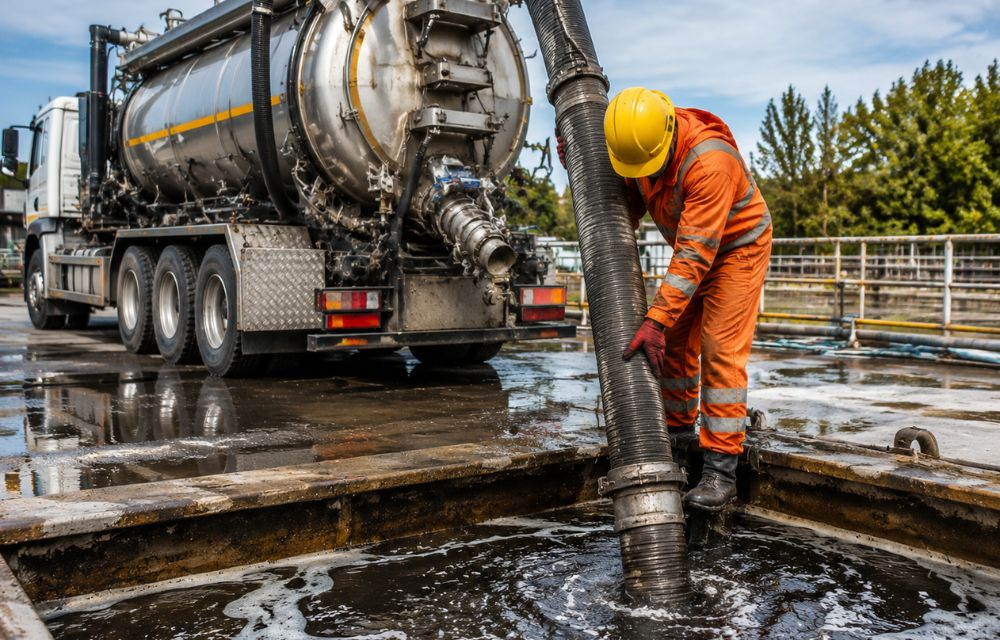
Water pollution is not just an environmental issue — it is a direct and serious threat to human health, causing infectious diseases, heavy metal poisoning, chemical toxicity, and long-term chronic health conditions. Protecting water quality requires responsible behaviour at every level — from industrial operations and construction sites to domestic wastewater handling and solid waste management. Working with professional and responsible waste water removal companies in Abu Dhabi is an important part of ensuring that wastewater and contaminated water are managed in ways that protect the health of communities and the environment for generations to come.