- Have any questions?
- +971 50 7210729
- +971 2 2358552
- info@almerzaam.com


How Waste Management Protects Public Health?
May 28, 2026
How Does Water Pollution Affect Human Health?
June 14, 2026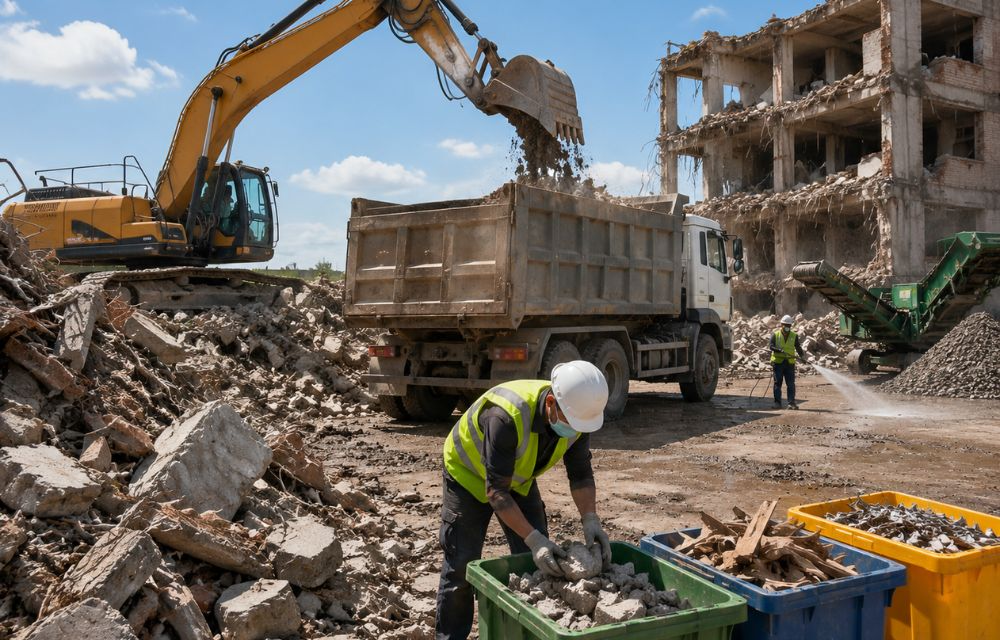
Introduction
Demolition projects generate some of the most varied and significant volumes of waste found in any construction or infrastructure activity. Whether it is the controlled teardown of an old residential building, the demolition of an industrial facility, or the removal of infrastructure as part of a major urban redevelopment, the types of waste produced are numerous and each requires careful handling, segregation, and disposal. Understanding what kinds of waste demolition activities generate is the first step toward responsible and compliant demolition waste management in Abu Dhabi, where regulations around waste handling are becoming increasingly rigorous. This guide explains the main categories of demolition waste, what makes each one distinct, and why proper management of each type is essential.
Concrete and Masonry Waste
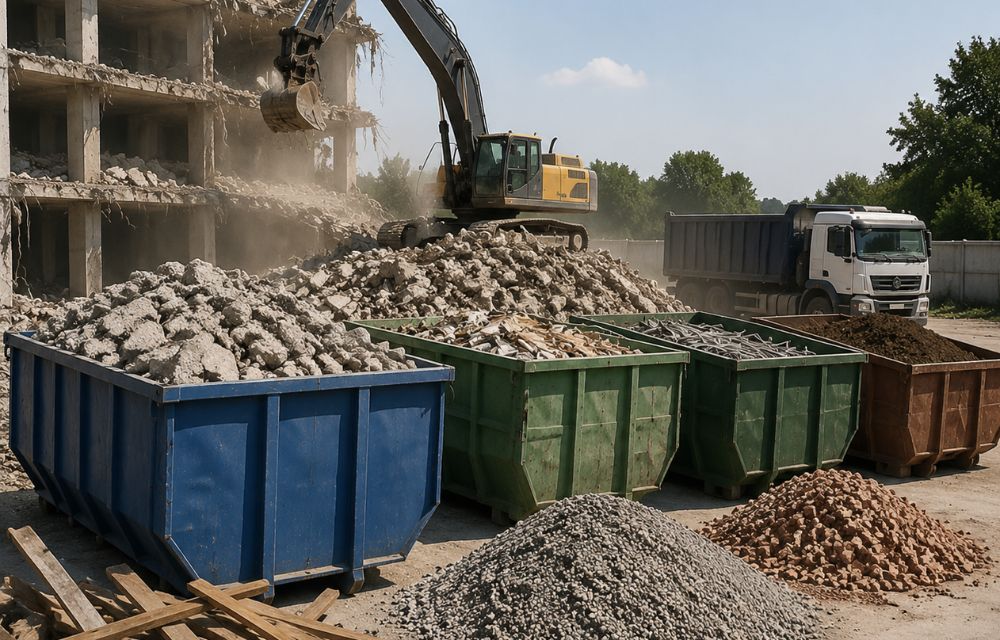
By volume, concrete and masonry materials make up the largest proportion of demolition waste in most projects. Broken concrete from foundations, floor slabs, columns, and walls, along with brick, block, tile, and stone from walls and facades, accumulates rapidly during any significant demolition. This category of waste is relatively straightforward in terms of hazard — concrete and masonry are inert materials that do not leach harmful chemicals. However, their sheer volume creates significant logistics and disposal challenges.
The most sustainable and increasingly common approach is to crush and recycle concrete and masonry into recycled aggregate, which can then be used as sub-base material in roads, pathways, and construction projects. This significantly reduces the volume of material that needs to go to landfill and conserves natural aggregate resources. In Abu Dhabi, demolition contractors involved in active demolition waste management are increasingly expected to maximize the recycling of concrete and masonry materials as part of regulatory compliance.
Wood and Timber Waste
Timber appears throughout buildings in the form of structural beams, roof trusses, flooring, door and window frames, shuttering, and interior fit-out elements. Demolition generates substantial volumes of wood waste, ranging from large structural timbers to small off-cuts and composite wood products like plywood and MDF.
Clean, untreated timber can be diverted for reuse, chipping for biomass energy, or composting. However, timber that has been painted with lead-based paint (common in older buildings), treated with preservatives, or contaminated with other substances requires more careful handling and cannot be disposed of in the same way as clean wood waste.
Metal Waste
Steel, aluminium, copper, and other metals recovered from demolition are among the most valuable waste streams. Structural steel beams, rebar from concrete, aluminium window and curtain wall systems, copper pipework and electrical cabling, and various non-ferrous metals all have significant scrap value that offsets demolition costs.
Metals should be segregated from other demolition waste streams as early as possible and directed to metal recyclers rather than general waste disposal. The economic value of recovered metals provides a natural incentive for good waste segregation practice in demolition projects.
Hazardous Materials
Older buildings in particular often contain materials that were widely used historically but are now recognized as hazardous to human health. Asbestos is the most serious hazard — it was used in insulation, roof sheeting, floor tiles, pipe lagging, and many other building applications until it was progressively banned as its link to serious respiratory diseases became understood. Buildings constructed before the 1990s should be assessed for asbestos-containing materials before any demolition work begins.
Lead-based paint is another hazard found in older buildings, as is contaminated soil around industrial facilities where chemical spills may have occurred. These materials must be identified, safely removed by trained operatives, and disposed of through licenced hazardous waste channels. This is a non-negotiable requirement in responsible demolition waste management in Abu Dhabi and across the UAE.
Glass and Window Materials
Glazing from windows, facades, skylights, and internal glass partitions generates significant volumes during demolition. Clear glass is generally recyclable but requires segregation from other materials. Laminated safety glass and toughened glass are more difficult to recycle and often go to specialized processing facilities. Any glass containing lead — such as decorative leaded glass — requires separate handling as a hazardous material.
Soil and Excavation Material
Ground works associated with demolition — removing basement structures, foundations, and underground services — generate large volumes of excavated soil and subsoil. Clean soil that is free from contamination can often be reused within the same or a nearby project as fill material, which is the most sustainable and economical outcome. Contaminated soil, however, must be tested, classified, and disposed of in accordance with environmental regulations.
Plastics and Composite Materials
Modern buildings contain increasing amounts of plastic and composite materials — in pipes, cable insulation, cladding panels, insulation boards, and fitout components. These materials are generally more difficult to recycle than concrete, metal, or timber because they are often combinations of materials that cannot be easily separated. Proper segregation and direction to appropriate recycling or energy recovery facilities is important for this waste stream.
Also Read – How Can Effective Demolition Waste Management Save Costs in Projects?
Electronic Waste
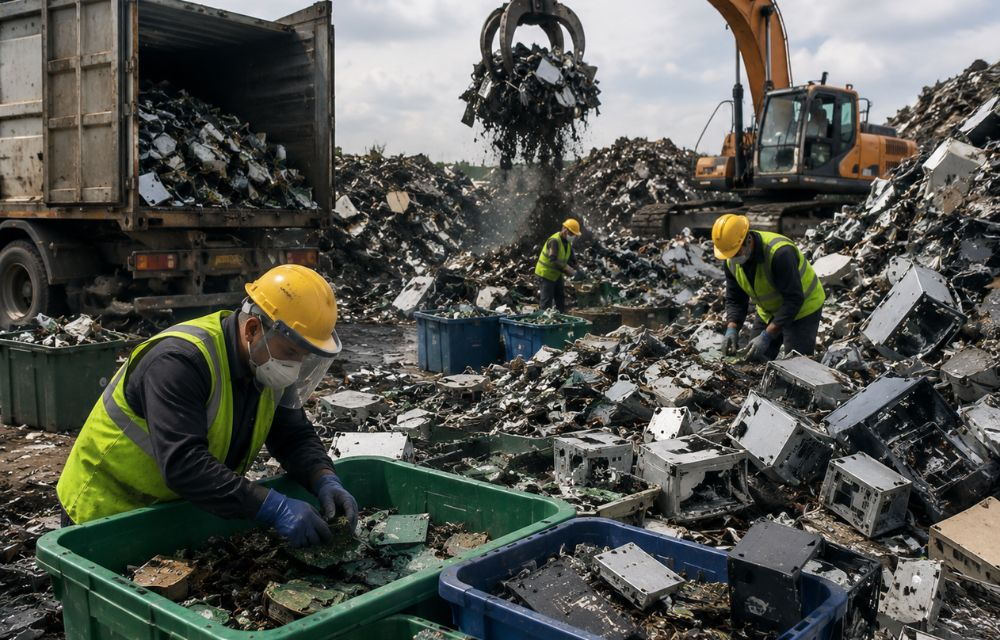
Demolition of commercial and industrial buildings may involve the removal of significant quantities of electrical and electronic equipment — lighting, control systems, HVAC controls, fire detection systems, and data infrastructure. Electronic waste contains valuable recoverable metals but also hazardous substances including lead, mercury, and cadmium. It must be handled by licensed e-waste processors and must not be mixed with general demolition waste streams.
Conclusion
The diversity of waste generated during demolition projects is considerable, and responsible demolition waste management in Abu Dhabi requires a structured approach to identifying, segregating, and correctly disposing of each waste type. From inert concrete and valuable scrap metals to hazardous asbestos and electronic waste, every category has specific handling requirements and disposal routes. Working with experienced waste management professionals who understand these requirements and can implement a robust waste management plan is not just good environmental practice — it is increasingly a legal requirement for demolition projects across Abu Dhabi.