- Have any questions?
- +971 50 7210729
- +971 2 2358552
- info@almerzaam.com


What Makes a Transportation Company Stand Out in a Competitive Market?
July 7, 2025
What Are the Key Factors to Consider When Choosing the Best Transportation Company?
July 21, 2025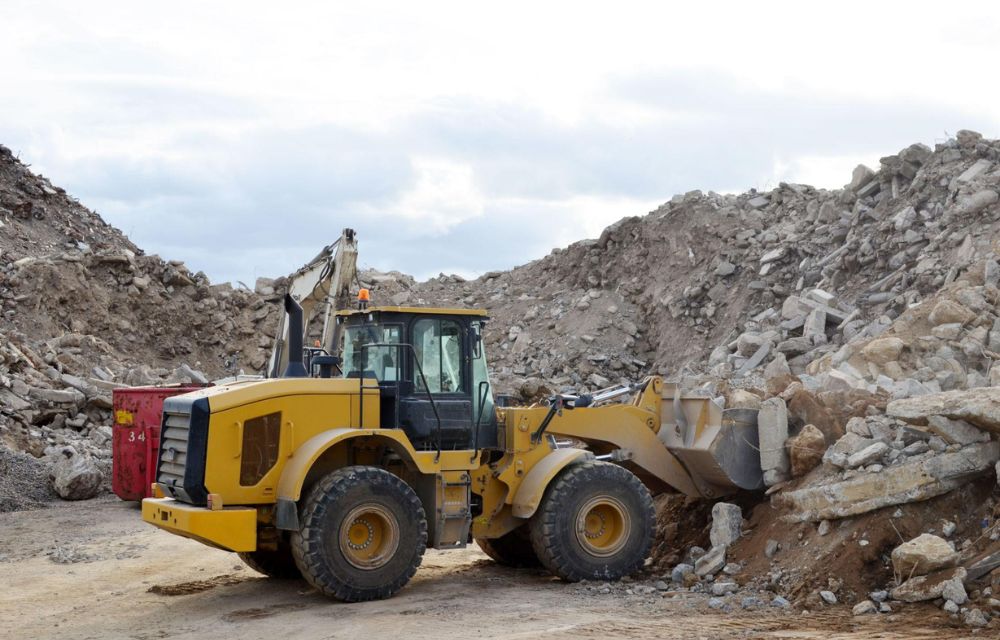
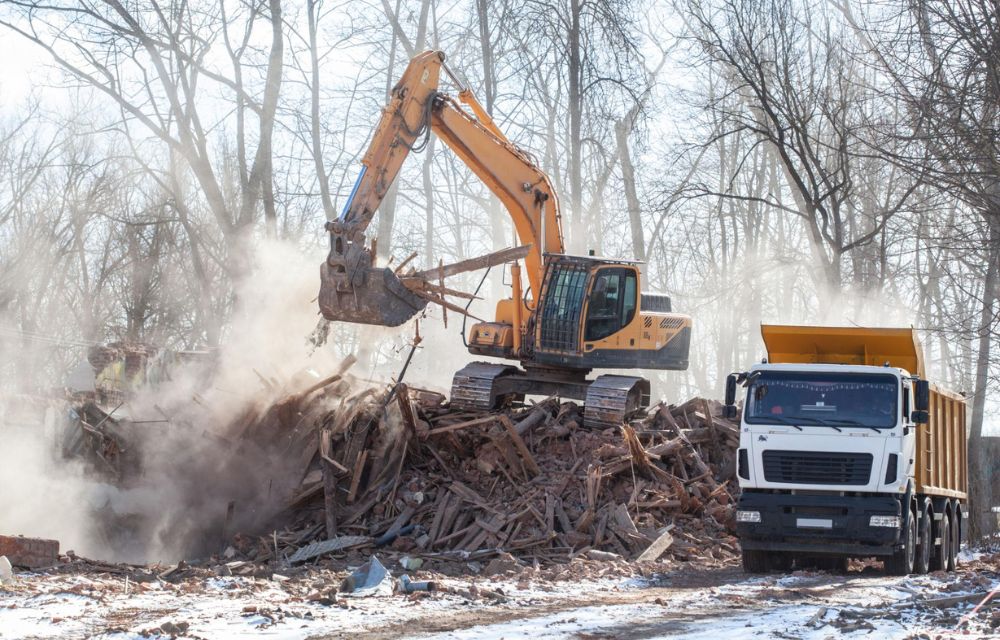
Urban development, infrastructure expansion, and real estate growth are signs of progress in any modern city. However, these projects often require the demolition of old structures—creating massive amounts of waste that must be managed responsibly. In places like the UAE, where rapid development is constant, the handling of such waste has become a growing concern. Improper demolition waste management can have devastating effects on the environment, human health, and even the economy.
In this blog, we will explore the environmental consequences of mishandled demolition waste and why proper waste management practices are more critical than ever.
1. Soil Contamination
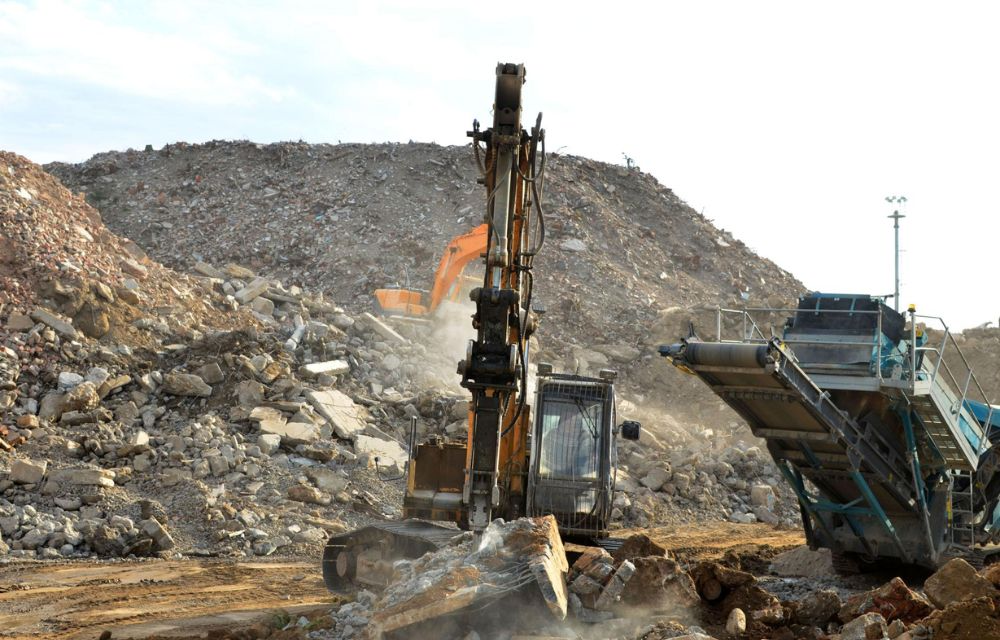
One of the most direct consequences of poor demolition waste management is soil pollution. Demolished structures often contain hazardous materials like asbestos, lead-based paints, adhesives, heavy metals, and treated wood. When these substances are dumped in unauthorized landfills or open lands without proper segregation or treatment, toxic chemicals can leach into the ground.
Contaminated soil affects not only plant life but also food chains and water systems. The pollutants may be absorbed by crops, enter groundwater supplies, or be ingested by animals, eventually impacting human health. This issue is particularly dangerous in desert regions like the UAE, where natural resources are limited and sensitive to pollution.
2. Air Pollution and Dust Emissions
Demolition activities generate large volumes of dust and airborne pollutants. If the waste is not managed and disposed of properly, it can lead to increased particulate matter in the air. This dust may contain hazardous materials such as silica, asbestos fibers, or other toxic particles. Breathing in such pollutants can lead to serious respiratory issues, especially in urban areas with high construction density.
Improper open-air dumping or burning of demolition waste further contributes to air pollution by releasing carbon dioxide, methane, and other harmful gases. These emissions are detrimental to public health and contribute to the global problem of climate change.
3. Water Pollution and Groundwater Contamination
Many components in demolition waste are soluble or reactive, which means they can contaminate water supplies when left unmanaged. For example, paint residues, oil from old machinery, or heavy metals can seep into surface water or groundwater sources. In arid countries like the UAE, clean water is a precious commodity. Contamination of limited freshwater supplies poses a significant risk to public health and agriculture.
Improperly managed waste near water bodies can also lead to eutrophication—a process where excessive nutrients cause algae blooms, reduce oxygen levels, and harm aquatic life.
4. Increased Landfill Use and Resource Depletion
The UAE has been proactive in implementing sustainable waste management strategies. However, when demolition waste management is not handled professionally, vast amounts of recyclable materials such as concrete, metal, and wood end up in landfills. This not only fills up valuable landfill space prematurely but also represents a major loss of reusable resources.
In many cases, up to 90% of demolition waste can be recycled. Reclaiming concrete for road base, reusing metal for manufacturing, and repurposing wood are all sustainable alternatives. By not doing so, we lose out on resource conservation opportunities and increase dependence on virgin raw materials, which adds to environmental strain.
5. Impact on Biodiversity and Natural Habitats
Dumping demolition waste in open areas can destroy ecosystems and threaten wildlife. Invasive waste materials alter the composition of soil and water, making it unsuitable for native plant and animal life. Improperly discarded debris can also lead to the fragmentation of habitats, forcing wildlife to migrate or perish.
This issue is particularly critical in sensitive desert ecosystems where flora and fauna are already under stress from urbanization. Protecting these natural habitats requires careful planning and strict adherence to sustainable waste management protocols.
6. Visual Pollution and Urban Degradation
Demolition sites and poorly managed waste piles also lead to visual pollution, which affects the aesthetic value of urban areas. Piles of concrete, broken bricks, metals, and dust can turn even the most modern cityscapes into unsightly zones. Visual pollution may not pose direct health risks, but it impacts mental well-being, tourism, and property values.
Sustainable demolition waste management ensures that cities remain clean, functional, and attractive—not just for residents, but also for investors and tourists.
Suggested Read – Why Is Demolition Waste Management Crucial for Environmental Sustainability?
7. Legal and Economic Ramifications
Governments in the UAE and other progressive nations have implemented strict waste management laws. Failure to comply can result in hefty fines, legal action, and suspension of projects. Improper waste disposal not only damages the environment but can also stall construction timelines, increase operational costs, and damage reputations.
For companies involved in construction or urban development, aligning with licensed and professional demolition waste handlers ensures both compliance and environmental stewardship.
Conclusion: The Role of AL MERZAAM ENVIRONMENT AND TRANSPORT
In a region where responsible development is paramount, proper demolition waste management is not a luxury—it is a necessity. For businesses, municipalities, and contractors in the UAE seeking a reliable partner in waste handling, AL MERZAAM ENVIRONMENT AND TRANSPORT emerges as a leader in the field.
Known for its commitment to environmental protection, compliance with UAE regulations, and efficient handling of hazardous and non-hazardous waste, AL MERZAAM stands out for its comprehensive solutions. With a modern fleet, trained professionals, and a strong focus on recycling and sustainability, the company plays a vital role in reducing the environmental footprint of demolition projects.
Choosing AL MERZAAM ENVIRONMENT AND TRANSPORT means choosing a cleaner, greener, and more responsible future for the UAE.