- Have any questions?
- +971 50 7210729
- +971 2 2358552
- info@almerzaam.com


What to Expect When Hiring a Transportation Company for International Shipping?
June 21, 2025
What Makes a Transportation Company Stand Out in a Competitive Market?
July 7, 2025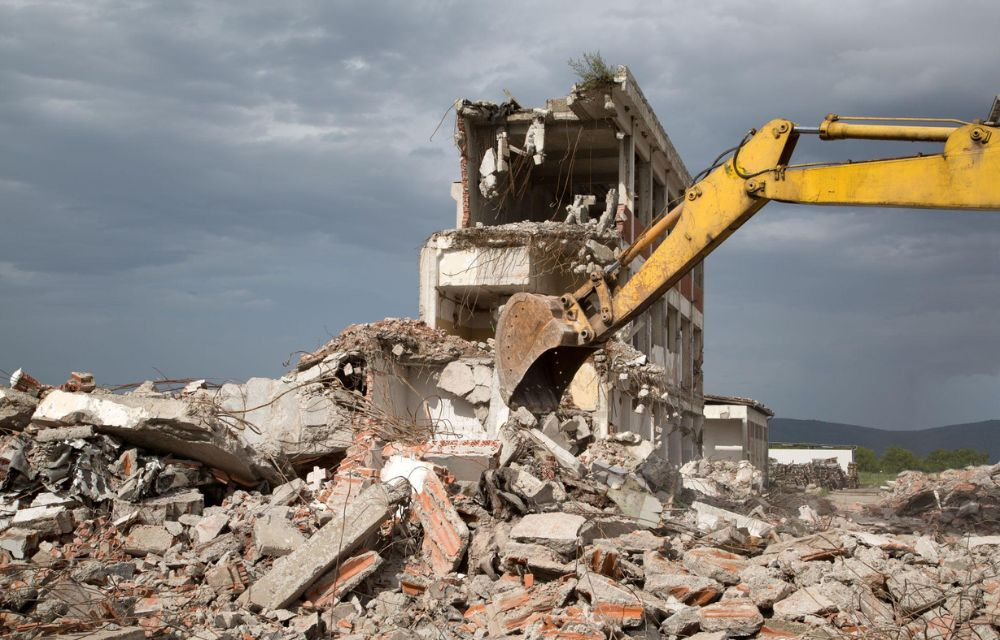
In an era of rapid urbanization and infrastructure development, demolition activities are becoming increasingly common across cities worldwide. Whether it’s tearing down old buildings, redeveloping land, or replacing obsolete structures, demolition generates vast quantities of waste that can have a significant impact on the environment if not managed properly. That’s where demolition waste management plays a crucial role. It not only ensures that waste is handled efficiently but also supports broader goals of environmental sustainability.
Let’s explore why demolition waste management is essential for protecting our planet and promoting responsible urban development.
1. Massive Volume of Waste Generation
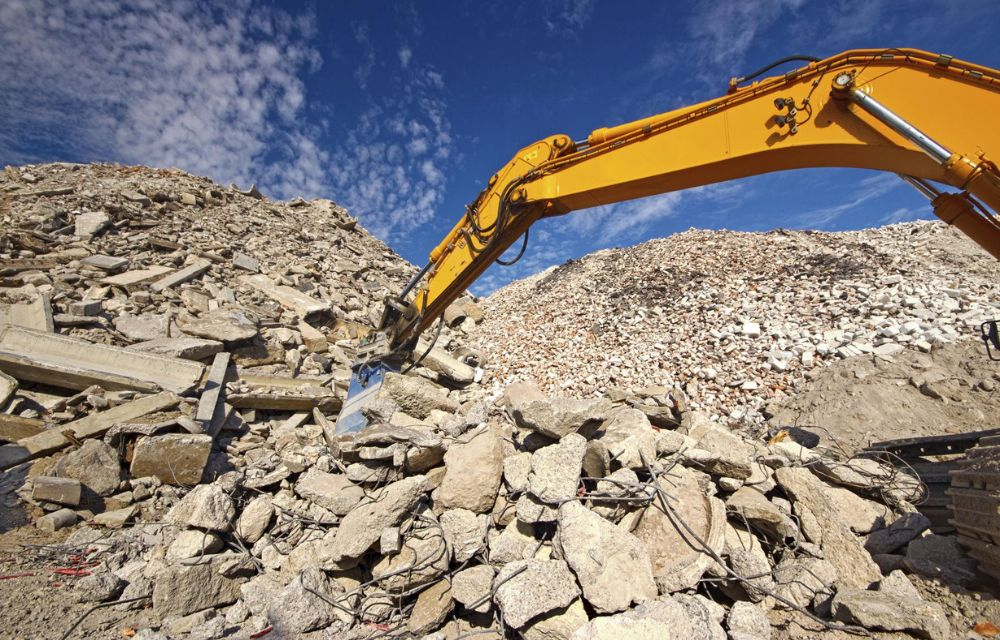
Demolition activities generate tons of waste materials, including concrete, bricks, metals, wood, glass, plastics, and insulation. According to global reports, construction and demolition waste (C&D) makes up more than 30% of all solid waste produced in urban environments. Without proper demolition waste management, this waste ends up in landfills, putting tremendous pressure on waste disposal infrastructure and contributing to land scarcity issues.
2. Conservation of Natural Resources
Many materials discarded during demolition are reusable or recyclable. Steel, wood, concrete aggregates, and bricks can often be processed and reused in new construction projects. Effective demolition waste management involves sorting and salvaging such materials, reducing the need for extracting new raw resources like timber, sand, or limestone. This helps preserve forests, riverbeds, and other natural ecosystems that would otherwise be disrupted to meet the demand for new materials.
3. Reduction of Greenhouse Gas Emissions
Improper disposal of demolition waste, such as open burning or uncontrolled dumping, contributes to greenhouse gas emissions and air pollution. Landfills, too, are a source of methane—a potent greenhouse gas that accelerates global warming. By adopting sustainable demolition waste management practices like recycling, reuse, and energy recovery, we can significantly cut down on these emissions and move closer to carbon-neutral goals.
4. Prevention of Soil and Water Contamination
Demolition waste often contains hazardous substances such as asbestos, lead-based paints, and chemical residues. When dumped improperly, these materials can leach into soil and groundwater, causing long-term environmental damage and posing health risks to nearby communities. A responsible demolition waste management plan includes identifying, segregating, and safely disposing of such materials in compliance with environmental regulations.
5. Minimizing Landfill Dependency
Landfills are not a sustainable solution for managing demolition waste. They require large land areas, pose environmental hazards, and have limited capacity. In regions like the UAE, where land availability is already a challenge, reducing dependency on landfills becomes even more critical. Demolition waste management enables diversion of waste from landfills through recycling, thereby extending landfill life and reducing environmental burden.
6. Energy Conservation
Producing construction materials from virgin resources consumes a considerable amount of energy. For instance, manufacturing new steel or concrete requires mining, transportation, and high-temperature processing. Recycling materials recovered through demolition waste management uses significantly less energy. This not only lowers the carbon footprint of construction activities but also leads to cost savings in material sourcing.
7. Regulatory Compliance and Green Certifications
Governments across the world, including the UAE, are enforcing stricter regulations on construction and demolition waste disposal. Companies that implement strong demolition waste management practices stay ahead of compliance requirements and avoid legal penalties. Moreover, green building certifications like LEED and Estidama reward projects that manage demolition waste responsibly, helping organizations build their reputation as environmentally responsible developers.
8. Job Creation and Economic Growth
Recycling and waste processing facilities create employment opportunities in sorting, material recovery, logistics, and innovation. As the circular economy grows, demolition waste management becomes a sector of economic significance. Countries that invest in this field not only benefit environmentally but also economically, generating green jobs and stimulating eco-friendly industries.
9. Improved Site Safety and Cleanliness
Proper waste management at demolition sites ensures a safer and cleaner working environment. Piles of unmanaged debris can lead to accidents, block emergency access routes, and even cause fires or health hazards. By integrating demolition waste management into the workflow, project managers can maintain better control over the site, ensure safety compliance, and boost worker morale.
Also Read – Why Proper Demolition Waste Disposal is Crucial for Sustainable Construction?
10. Promoting a Circular Economy
At the heart of demolition waste management is the concept of the circular economy—an economic model focused on reducing waste, maximizing resource use, and keeping materials in use for as long as possible. By reclaiming, reusing, and repurposing demolition materials, we shift away from the traditional “take-make-dispose” model and move towards a more sustainable, regenerative approach to development.
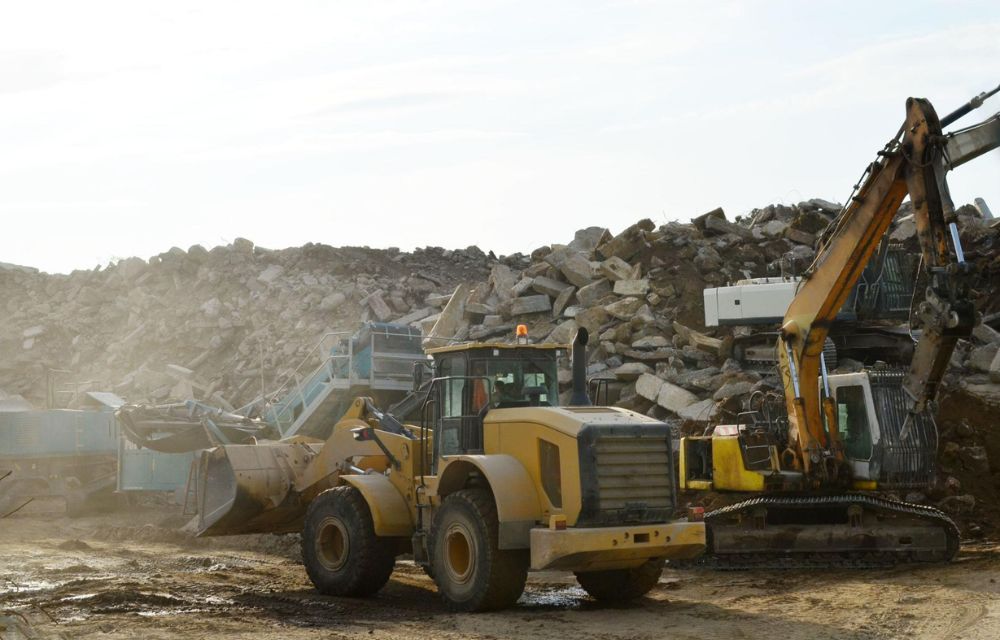
Conclusion: Partnering for Sustainable Demolition
Demolition is inevitable in the cycle of urban growth, but its environmental consequences don’t have to be. Through smart, efficient, and responsible demolition waste management, we can reduce pollution, conserve resources, and protect our ecosystems while building a future that is cleaner and more resilient.
For organizations looking to implement sustainable waste practices, partnering with a trusted expert can make all the difference. Al Merzaam Environmental & Transport LLC. shines in this space by offering reliable, compliant, and eco-conscious solutions for demolition waste management. With a commitment to environmental protection and operational excellence, Al Merzaam is a key contributor to building a greener tomorrow, one project at a time.