- Have any questions?
- +971 50 7210729
- +971 2 2358552
- info@almerzaam.com


The Role of Waste Management in Sustainable Development
March 7, 2026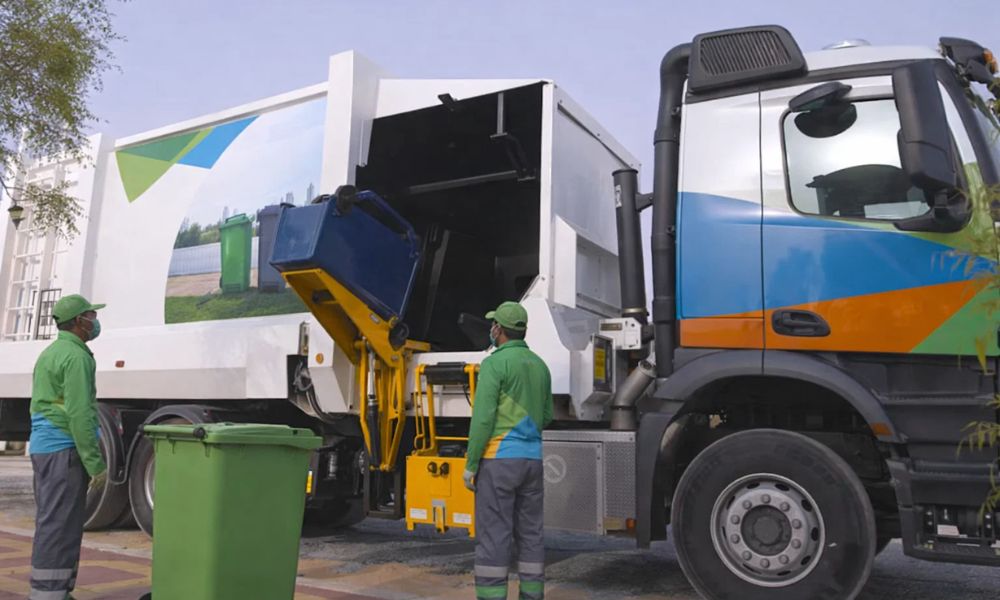
In the age of fast urbanization and industrialization, Abu Dhabi waste management has turned into a burning issue not only to the authorities of environmental protection but also to the business, community, and residents. City growth, the growth of consumption, means that the amount of waste produced on a daily basis becomes more and more complex. This waste should be managed in a sustainable manner, and this involves innovative thinking, new technologies, as well as trusted partners who may provide end-to-end solutions. Al Merzaam Environmental and Transport LLC, which is one of the best waste management and transportation companies in Abu Dhabi, UAE, is one such partner that will set high standards in the industry.
The Growing Waste Challenge
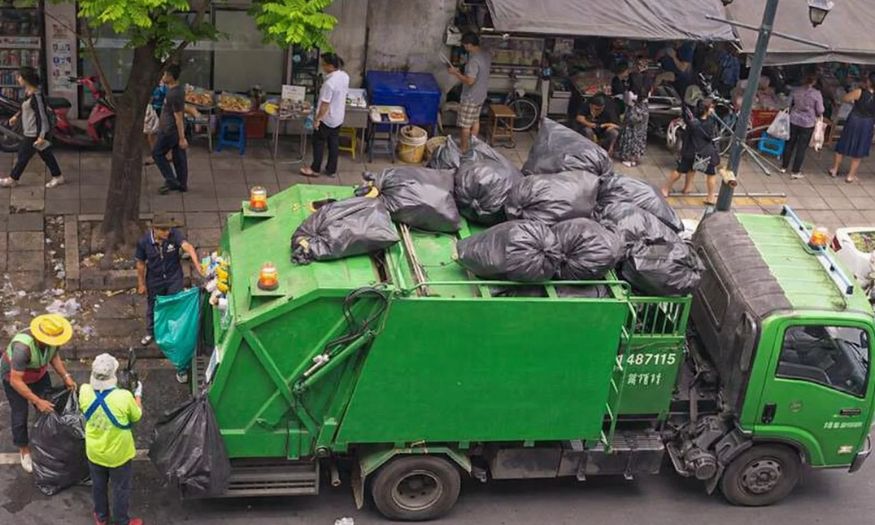
- As Abu Dhabi grows in population, flourishing construction works, and as businesses expand, a growing waste management dilemma is a challenge that the city is confronting. Municipal, industrial, and hazardous waste are generated in large volumes in the emirate and must be handled and disposed of differently. The traditional methods, like landfilling, are not viable anymore as there is no space, and there are environmental issues and tougher regulatory requirements. Economic growth and urbanization have brought tremendous strain on the available waste infrastructure systems, and in most instances, this has created a loophole in the effective waste tracking, segregation, recycling, and disposal.
Waste composition has also become more complicated, besides sheer volume. Construction waste, chemical wastes, and electronic waste, among others, all require special knowledge, tools, and adherence to the environmental safety standards to handle waste effectively. Uncontrolled hazardous materials may pose a serious danger to health and long-term environmental harm, and that is why it is important to consider professional waste management services across Abu Dhabi.
Key Challenges in Waste Management
1. Rapid Urbanization and Population Growth
The rate of waste produced in urban areas is usually higher than the ability of the traditional waste systems. With the growth of residential and commercial areas, waste collection, transportation, and processing systems should be improved continuously by municipalities.
2. Lack of Public Awareness and Participation
One of the key obstacles is to provide communities with education on the appropriate waste separation, recycling, and conscious consumption. It is true that the best waste systems can be prevented by the lack of mass engagement of the masses, who will contaminate the recyclables and develop a greater level of dependency on the landfill.
3. Insufficient Recycling and Treatment Facilities
The recycling rates in Abu Dhabi, although already taking tremendous steps toward the installation of the latest recycling plants and waste-to-energy projects, leave much to be desired. The lack of processing plants in areas of shortage restricts the potential to divert waste materials to landfills and maximize the potential of recyclable materials.
4. Complex Regulatory Landscape
Managing environmental rules, compliance, and documentation could be complex – especially for industrial and hazardous waste manufacturers. Professional waste management providers usually assist businesses in ensuring that they comply with the local practices and legislation.
5. Integration of Technology
Smart systems of waste management are essential in the monitoring of bin filling levels, fleet movement, route optimization, and waste trends analysis. Nevertheless, many industries are yet to be fully integrated technologically. The deployment of systems based on data to ensure maximum efficiency is costly and requires expertise.
Effective Solutions for Sustainable Waste Management
To overcome these problems, it is necessary to implement a complex strategy that incorporates innovation, regulation, and involvement of the community. The following are viable interventions that are changing the way waste is being handled in Abu Dhabi:
1. Advanced Waste Segregation and Recycling
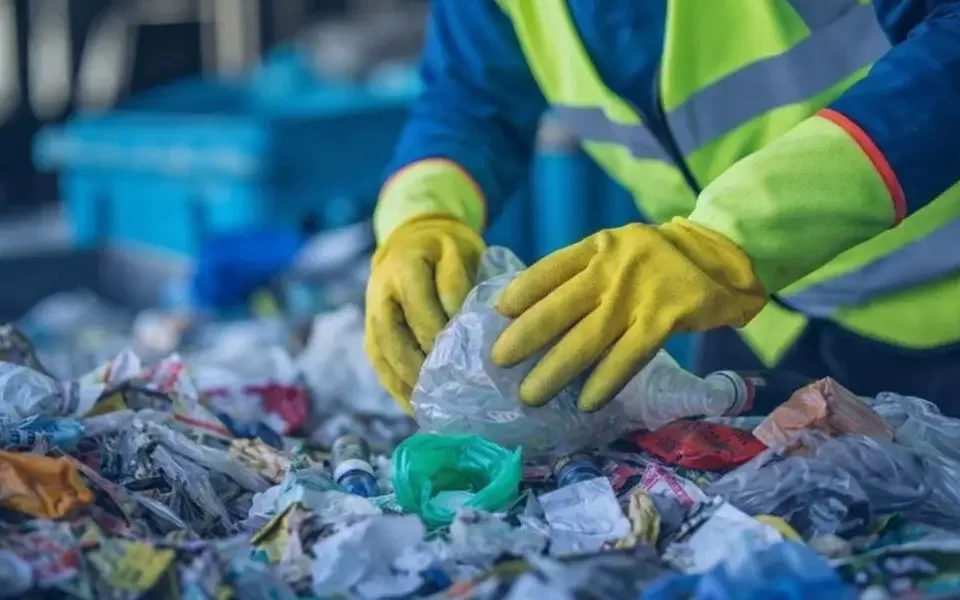
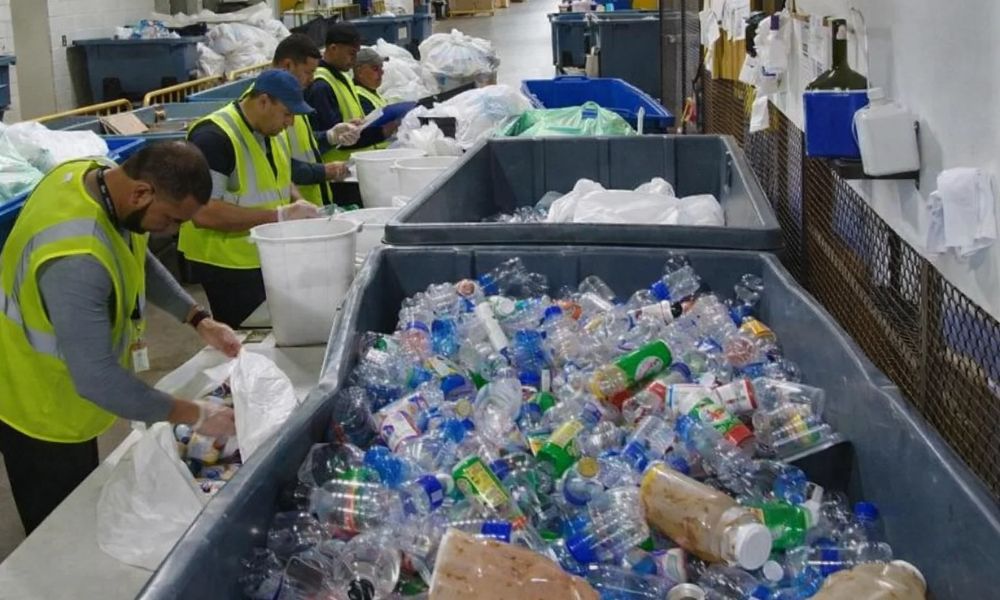
The separation of waste at the source is one of the most efficient methods of reducing the environmental impact. The cities and companies can prevent substantial amounts of material from being sent to landfills, as the early sorting of organic, recyclable, and hazardous wastes will guarantee that these materials are processed appropriately. Improvement of recycling technologies (e.g., automated sorting facilities) makes the process more efficient and increases the material recovery rate.
2. Smart Collection and Monitoring Systems
The use of IoT sensors and data analysis can assist waste management teams in detecting the fill levels in the bins and optimizing the route and collection paths. This not only enhances the efficiency, but also lowers the fuel use and the carbon emissions produced by transporting the waste.
3. Waste-to-Energy Initiatives
Anaerobic degradation of organic waste to produce energy or waste-to-energy plants can assist in minimizing landfill usage and instead produce renewable energy. Abu Dhabi has adopted these projects as one of its long-term sustainability roadmaps.
Related Blog – Key Challenges in Abu Dhabi’s Waste Management Today
4. Public Education and Community Engagement
Education to residents, tourists, and businesses on waste minimization and recycling is a key factor. Community involvement brings more efficiency to the whole waste system, hence propelling the long-term environmental gains.
5. Expert Waste Management Services
By collaborating with professional waste management firms such as Al Merzaam Environmental and Transport LLC, there is a level of expertise, certified operation, and customization to various sectors. Al Merzaam offers a wide range of services such as the renting of skip baskets and waste transportation, waste collection, including chemical waste and hazardous disposal, to assist businesses to comply with the regulations as well as to make Abu Dhabi a cleaner and greener place. Their certification by ISO and their adherence to very high safety standards support their service delivery quality.
Conclusion
Waste management in Abu Dhabi is not a luxury anymore; it is a part of sustainable living and sustainable development. The challenges of waste management can also be turned into an opportunity with the right combination of policy, technology, and community involvement: it will make neighborhoods cleaner, impact the environment less, and transition to the circular economy. The expertise and the overall solutions that are required to address even the most difficult waste situation in the emirate are presented by professional waste management partners such as Al Merzaam Environmental and Transport LLC.
Abu Dhabi is embarking on a road to a greener and healthier future by adopting innovation and collective responsibility.