- Have any questions?
- +971 50 7210729
- +971 2 2358552
- info@almerzaam.com


How Businesses Can Reduce Costs by Partnering with Waste Management Companies?
December 7, 2025
What Safety Standards Does Al Merzaam Follow in Its Truck Service?
December 21, 2025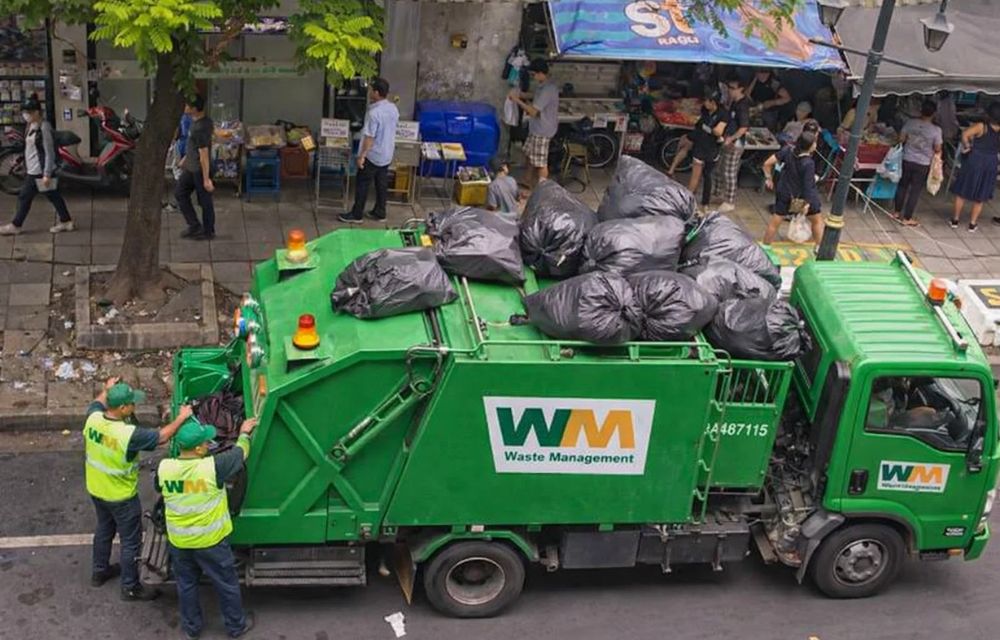
Abu Dhabi has made substantial progress in modernizing its waste management system, but rapid urban growth, rising consumption, & industrial expansion continue to create new challenges. Managing waste efficiently is a must not only for environmental protection but also for public health and long-term sustainability. Understanding the key challenges within Abu Dhabi waste management helps businesses, residents, and policymakers take steps toward building a cleaner and more efficient waste ecosystem. Here are the major issues the city faces today and why addressing them is so important.
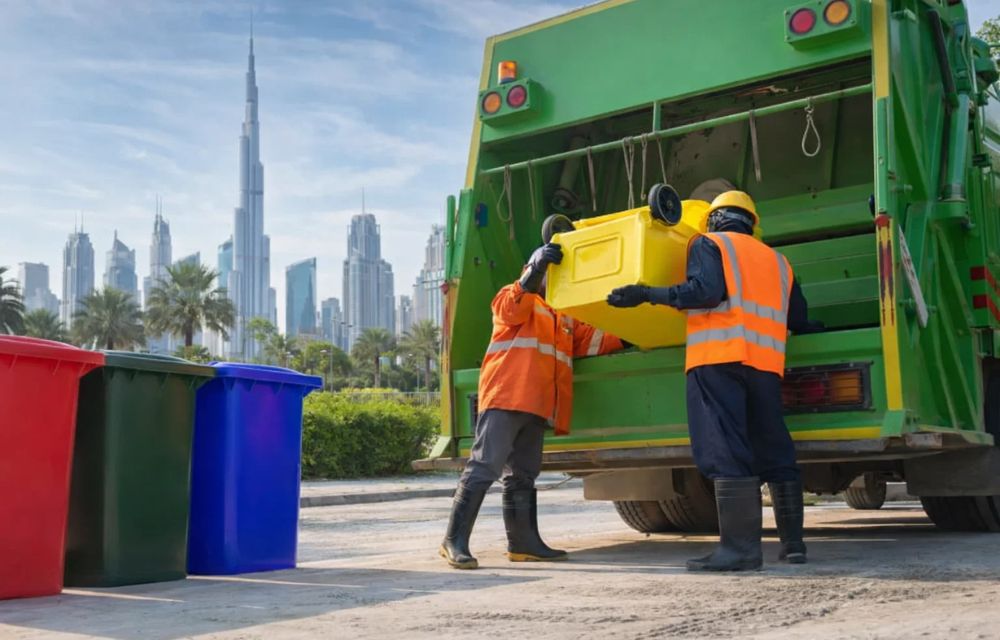
Rising Waste Generation
As the population grows and development continues at a rapid pace, waste generated in Abu Dhabi increases daily. This includes municipal waste, construction debris, industrial waste, and hazardous materials. The growing waste volumes put significant pressure on the city’s waste management systems.
Why this is a challenge:
- Increased strain on waste collection and disposal services.
- Higher operational costs for transport and recycling.
- More pressure on landfills and waste processing facilities.
- Difficulty maintaining consistent services during peak periods or busy seasons.
To address this challenge, Abu Dhabi needs to invest in more efficient waste-management infrastructure, better planning, and long-term strategies for reducing waste.
Limited Landfill Capacity
While Abu Dhabi still relies heavily on landfills for waste disposal, available land for expanding these sites is limited. The rapidly increasing volume of waste is putting more pressure on existing landfills, which are reaching their capacity faster than anticipated. Relying on landfills is not a sustainable long-term solution.
Key concerns:
- Risk of landfills filling up too quickly.
- Increased environmental impact from solid waste disposal.
- There is a need for more advanced recycling and sorting systems.
- Longer transportation distances to reach available landfill sites.
This highlights the need for greater focus on waste minimization, improved recycling rates, and better source segregation.
Low Recycling Rates in Some Sectors
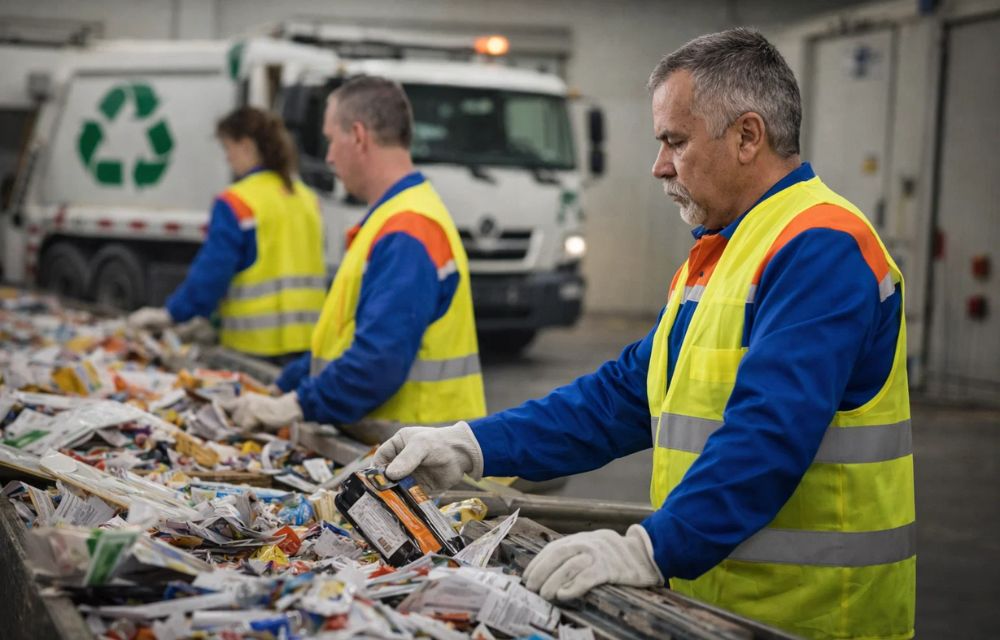
Although recycling programs and facilities are available in Abu Dhabi, the actual recycling rates remain inconsistent across various sectors. Many recyclable materials end up in general waste due to poor segregation practices, lack of awareness, & operational gaps in the waste collection process.
Contributing factors:
- Insufficient sorting of waste at homes and businesses.
- Contamination of recyclable materials makes them non-recyclable.
- Limited access to convenient on-site recycling solutions.
- Lack of training for staff handling waste.
To move towards a circular economy, improving recycling habits across all sectors—especially in homes and businesses—is critical for reducing waste and conserving resources.
Construction and Demolition Waste
Construction is one of the most significant contributors to waste in Abu Dhabi, with large amounts of debris, sand, concrete, metal, and packaging materials generated on job sites. Managing this waste effectively is crucial to ensuring construction projects run smoothly and are completed on time.
Challenges specific to construction waste:
- Large volumes of waste are produced daily.
- Need for continuous waste collection and transportation to prevent delays.
- Difficulty sorting through mixed construction debris.
- Potential site delays if waste is not removed promptly.
Efficient waste management on construction sites requires reliable collection services, proper sorting systems, & compliance with local regulations to minimize disruption and keep costs in check.
Hazardous and Industrial Waste Handling
Hazardous waste, like chemicals, oils, medical waste, and industrial by-products, requires strict handling and disposal procedures to protect safety & the environment. This is one of the most sensitive aspects of waste management in Abu Dhabi, as improper handling can result in severe contamination and health risks.
Suggested Read – 5 Benefits of Effective Waste Management Systems
Why it remains a challenge:
- Specialized vehicles and trained personnel are required for safe transport and disposal.
- Strict regulatory requirements govern the handling of hazardous waste.
- Risk of environmental contamination if waste is not managed correctly.
- High costs are associated with the safe collection, treatment, and disposal of hazardous materials.
Businesses must rely on licensed waste management providers to ensure safe & compliant disposal of hazardous materials, helping reduce risk and ensure public and environmental safety.
In Conclusion
Abu Dhabi continues to work toward a cleaner, more sustainable future, but challenges in waste volume, recycling, hazardous waste handling, & landfill limitations underscore the importance of efficient systems. Partnering with an experienced provider aids businesses stay compliant, save time, and ensure safe disposal. For reliable waste handling, transportation, and recycling services, Al Merzaam Environmental & Transport LLC offers dependable, professional solutions across Abu Dhabi.