- Have any questions?
- +971 50 7210729
- +971 2 2358552
- info@almerzaam.com


How to Choose the Right Water Tanker Supplier?
April 28, 2026
Types of Dump Trucks Explained in Detail
May 14, 2026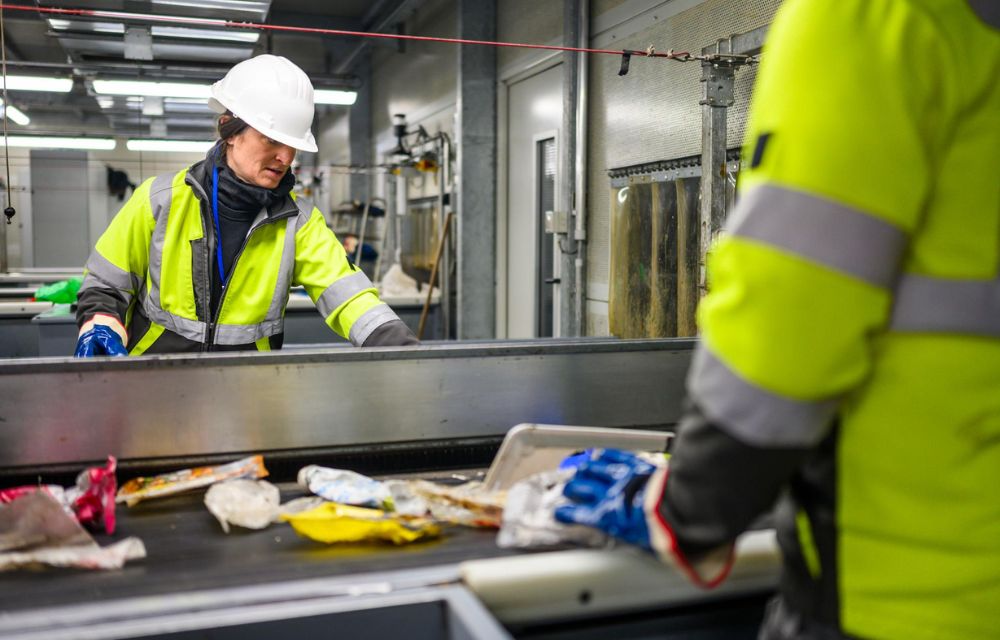
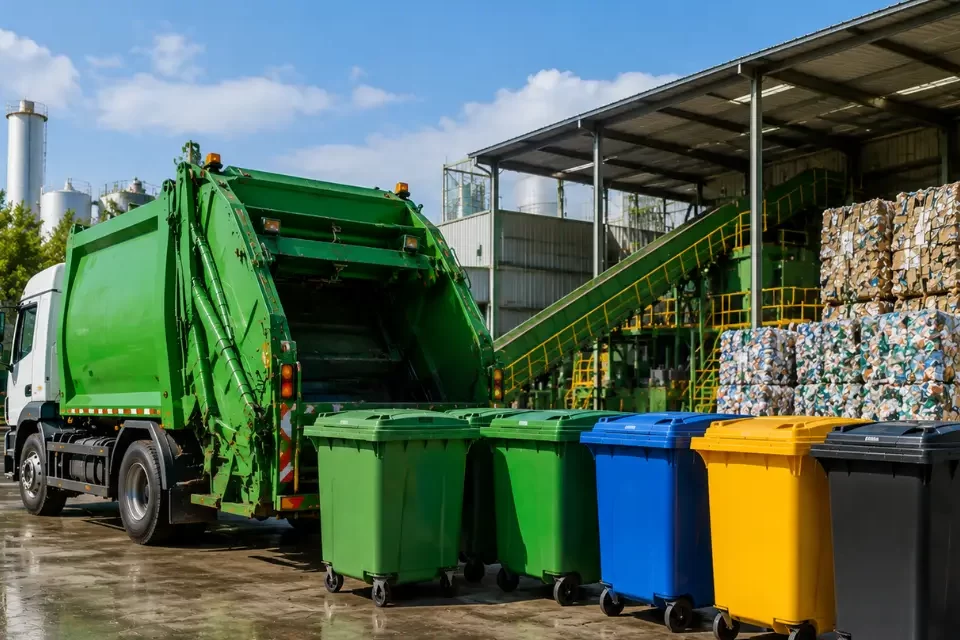
Waste disposal is very important in determining the health and well-being of communities. Since the trash begins at home, up to the dangerous industrial waste, the manner in which waste is managed has a direct influence on the air, water, soil, and ultimately human life. The need to have efficient waste management systems has never been greater in the fast-growing urban areas. This explains why the contribution of Waste disposal companies in Abu Dhabi is important in ensuring a healthy and clean environment.
The Link Between Waste and Public Health
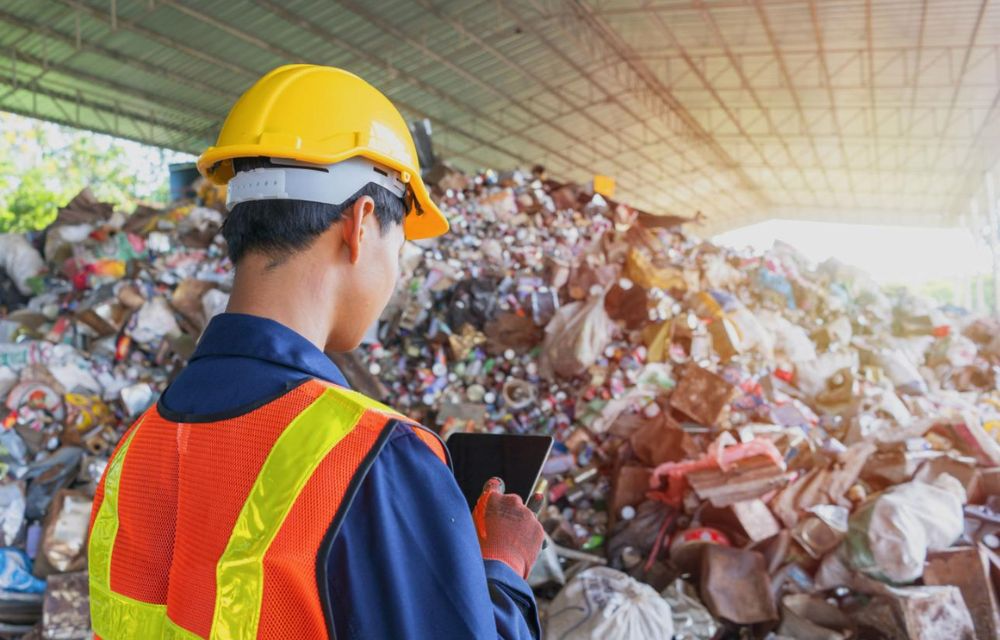
Waste disposal is not only a serious environmental concern, but it is also a major health concern for the people. In situations where the waste is not collected, treated, and disposed of in a proper manner, it may emit toxic substances into the environment. Uncontrolled waste may pollute air, water, and soil, posing direct and indirect health hazards to human beings.
As an example, open dumping and burning of waste emit toxic chemicals and pollutants to the air. Such pollutants may cause respiratory illnesses, allergies, and long-term health complications. Also, because of improper disposal, the hazardous waste can subject human beings to harmful chemicals, which might lead to chronic diseases.
Spread of Infectious Diseases
Among the most direct causes of the ill effects of poor waste disposal are infectious diseases. The waste accumulated in the open spaces develops a habitat of disease-carrying insects like mosquitoes, flies, and rodents. These vectors have the ability to carry such diseases as dengue, malaria, and cholera.
Healthcare and biomedical waste are the most hazardous. Unsafe disposal of this waste may transmit diseases such as hepatitis, HIV, and other severe diseases. Handling of untreated medical wastes is a serious source of vulnerability in the spread of diseases, both to the workers and the masses.
Also Read – The Importance of Waste Segregation
Water and Soil Contamination
Waste disposal can easily cause water pollution when it is not disposed of properly. In case waste materials are dumped in landfills without being lined or treated, poisonous chemicals may find their way into groundwater. When this polluted water is taken, it may lead to serious health issues, including gastrointestinal infections and chronic toxicity.
On the same note, soil pollution has an impact on food safety. Food grown in polluted soil can absorb any toxic substances, thus it can be transferred to the food chain. Disposal of wastes has the potential to influence the whole ecosystem, which indirectly affects human health.
Air Pollution and Respiratory Issues
Combustion of waste materials, and in particular plastics and hazardous materials, emits toxic gases like dioxin and particulate matter into the atmosphere. It has been known that these pollutants cause respiratory diseases, cardiovascular problems, and in some severe cases, have even caused cancer.
Plastic waste is also increasingly becoming an issue of concern because human health at different stages of life can be affected by exposure to microplastics and toxic chemicals. These chemicals are getting more and more observed in the environment and are associated with a number of chronic diseases.
Impact on Vulnerable Populations
Poor waste disposal does not affect all communities in a similar way. Individuals who reside close to landfills or dumpsites, or those that are not well managed, face increased health hazards. They are especially vulnerable to children, pregnant women, and waste workers.
Waste workers (especially those working in the informal sector) do not have protective gear and have to deal directly with dangerous materials. This makes them more prone to infections, injuries, and long-term health problems. These risks can be greatly minimized, and the living standards can be improved by improving the waste management systems.
Mental and Social Well-being
Other than physical health, waste disposal also has a psychological and social effect. One may experience stress and anxiety, as well as a lowered quality of life, due to living in places where the waste is not controlled. A poor environment to live in is caused by unpleasant smells, a visual and unhygienic environment.
Good and hygienic environments, conversely, foster a feeling of safety, comfort, and community sense. Due to the necessity of physical well-being, the proper management of waste is equally important in terms of health in general.
The Importance of Proper Waste Management
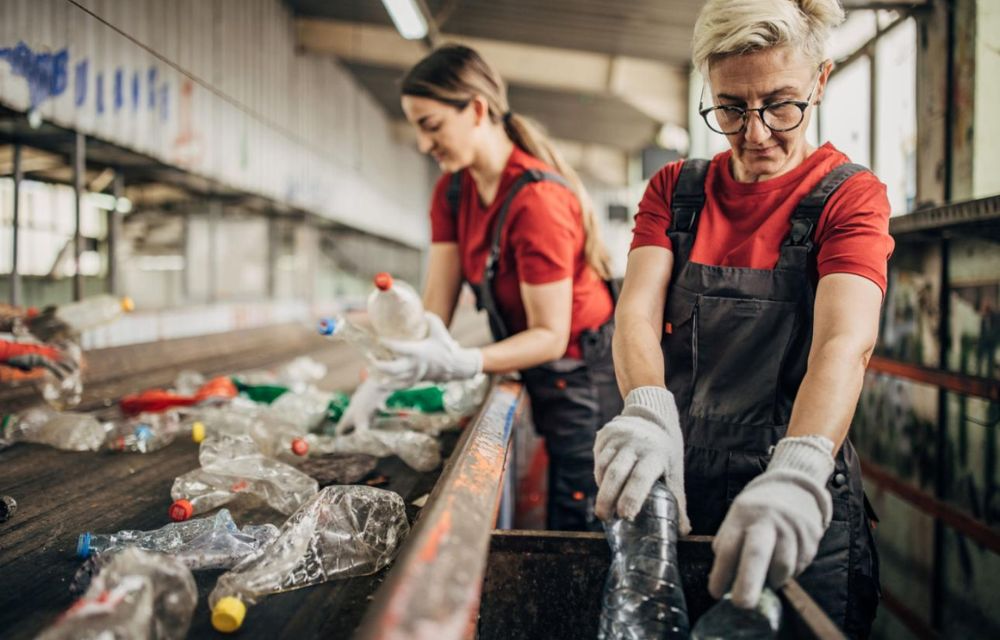
Health risks can be greatly decreased by using efficient waste management systems. This involves appropriate segregation, collection, recycling, treatment, and safe disposal of waste. Recycling, composting, and waste-to-energy solutions are modern methods that can reduce the impact on the environment and also safeguard the health of the population.
Such organizations as the Al Merzaam Environmental and Transport LLC, which is considered to be one of the most successful waste management and transportation companies in Abu Dhabi, UAE, can contribute to the fact that waste is disposed of in a responsible way. They are more knowledgeable in terms of waste collection, transportation, and disposal, and it makes communities safer and healthier.
Conclusion
The issue of waste disposal is tremendous and has a far-reaching effect on the health of the population. Bad waste management is a potential danger to society with respect to spreading infectious diseases, contaminating natural resources, and poor air quality. To solve these problems, governments, communities, and professional service providers need to work together towards a solution.
Using the services of the qualified Waste disposal companies in Abu Dhabi helps the cities to be safer with the waste handling practices, environmental pollution, and safeguards the health of the people. Waste management is not only an environmental requirement today to invest in, but also a promise of a better and healthier future.