- Have any questions?
- +971 50 7210729
- +971 2 2358552
- info@almerzaam.com


The Future of Green Transport: How Transportation Companies Are Going Sustainable
August 21, 2025
What Are the Risks of Choosing the Wrong Waste Management Companies?
September 7, 2025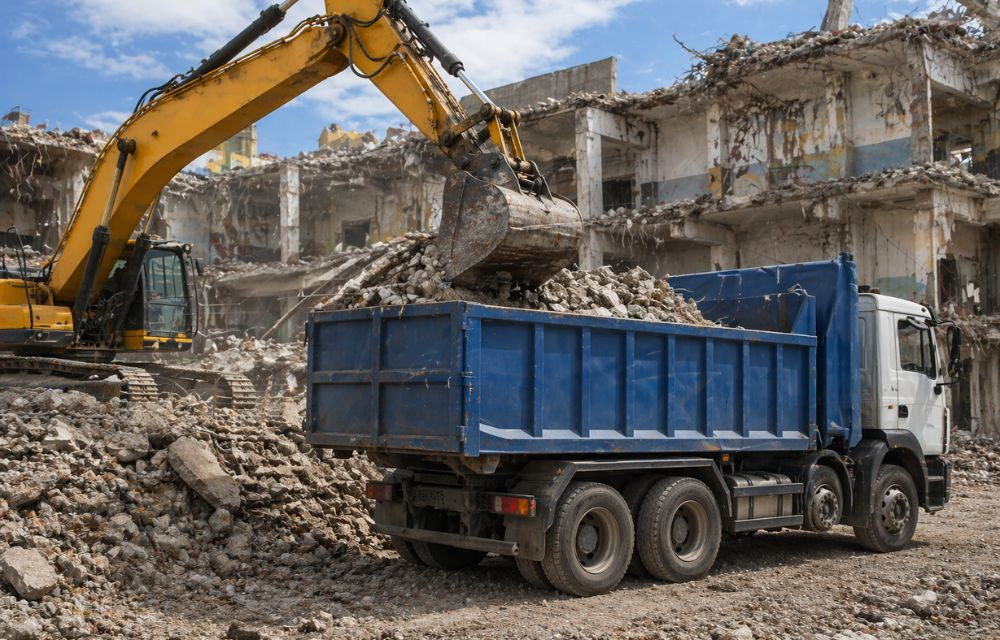
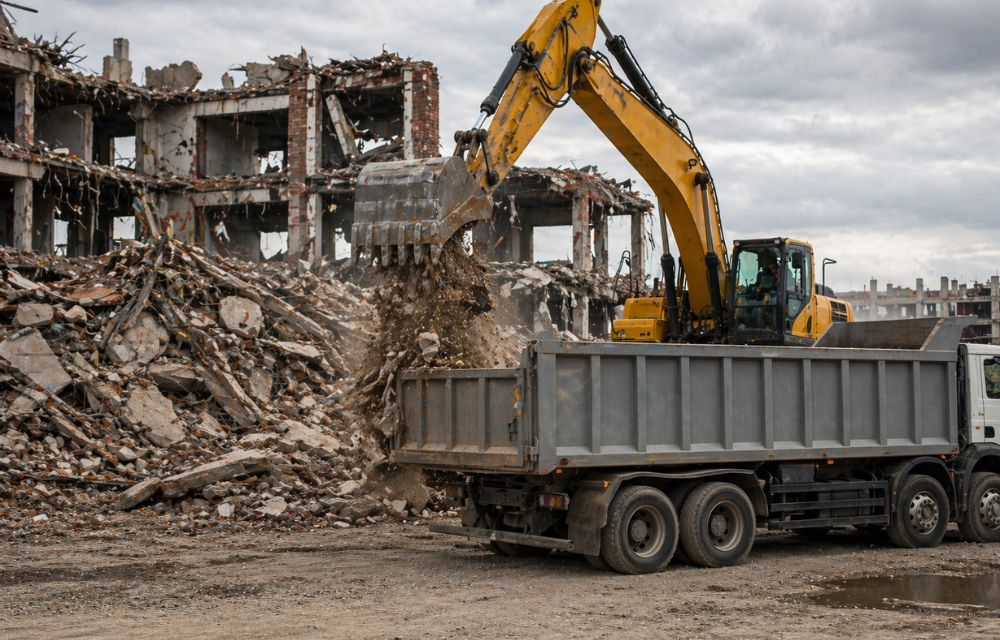
Demolition is a necessary part of urban development, infrastructure renewal, and real estate growth. However, with every structure that falls, tons of debris, concrete, metal, wood, and other materials are left behind. Traditionally, this waste was either buried in landfills or incinerated—both methods contributing to environmental pollution. But in recent years, a powerful shift has emerged: recycling is now playing a central role in demolition waste management, transforming what was once considered trash into valuable resources.
This approach is not only environmentally responsible but also economically beneficial. By rethinking how we handle demolition debris, industries around the world—and especially in the UAE—are paving the way for a more sustainable and resource-efficient future.
1. What Is Demolition Waste Management?
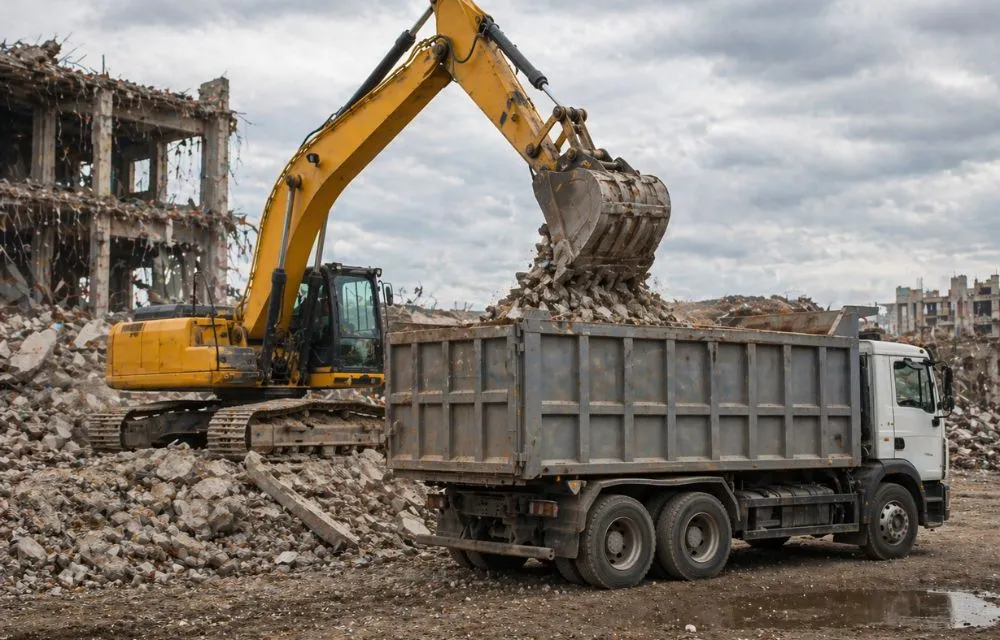
Demolition waste management refers to the process of handling, sorting, disposing of, and increasingly, recycling the debris generated from the demolition of buildings and infrastructure. This includes a wide variety of materials such as:
- Concrete and cement blocks
- Bricks and ceramics
- Steel and rebar
- Wood, doors, and window frames
- Asphalt and roofing materials
- Plastics, insulation, and glass
Without proper management, these materials can clog landfills, harm ecosystems, and release toxic substances. Recycling provides a solution that addresses these issues head-on.
2. Why Recycling Is Crucial in Demolition Waste Management
Recycling in demolition waste management offers numerous benefits:
a) Reduces Environmental Impact
Recycling minimizes the need for raw material extraction, which often involves harmful mining and logging activities. It also reduces landfill use, decreasing methane emissions and soil contamination.
b) Conserves Natural Resources
Many of the materials recovered from demolition sites—like concrete, metal, and wood—can be reused or repurposed, reducing the demand for new raw materials.
c) Lowers Project Costs
Transporting waste to landfills and paying disposal fees can be costly. Recycling reduces these expenses and can even generate revenue if salvaged materials are sold or reused on-site.
d) Supports the Circular Economy
A circular economy aims to keep resources in use for as long as possible. Recycling from demolition aligns with this model by turning waste into inputs for new projects.
3. Commonly Recycled Demolition Materials
Several materials from demolition sites can be effectively recycled:
- Concrete: Crushed and reused as road base or aggregate for new construction.
- Steel and Metal: Easily melted down and repurposed for construction or manufacturing.
- Wood: Can be reused for framing, furniture, or converted into mulch or fuel.
- Brick and Masonry: Ground and used in landscaping or as backfill.
- Glass and Plastic: Sorted and repurposed into new industrial or commercial products.
The process begins with meticulous sorting, often on-site, followed by transportation to specialized recycling facilities.
4. Recycling in UAE’s Demolition Sector
In fast-developing regions like the UAE, demolition is frequent due to infrastructure upgrades, urbanization, and commercial expansion. This has made demolition waste management a critical issue. Fortunately, the UAE has taken major strides toward sustainability through government regulations and private sector initiatives.
The country has set ambitious targets to divert waste from landfills and increase recycling rates. Large-scale projects now include built-in demolition waste plans, where contractors are required to recycle a significant percentage of materials. Advanced recycling plants in Abu Dhabi, Dubai, and Sharjah are already processing thousands of tons of waste every year.
5. Challenges in Recycling Demolition Waste
Despite the clear benefits, several challenges remain:
- Material Contamination: Mixed debris can be hard to sort, especially when hazardous materials like asbestos are present.
- Lack of Awareness: Some contractors and developers may still opt for traditional disposal methods due to lack of knowledge or resistance to change.
- Cost of Equipment: Specialized machinery for on-site recycling or transportation to facilities can be expensive.
- Limited Recycling Infrastructure in Certain Areas: While major cities in the UAE are equipped, rural or developing zones may lack sufficient access to recycling plants.
These hurdles can be overcome through policy support, investment in technology, and collaboration between government and private entities.
6. Future Trends in Demolition Waste Recycling
The future of demolition waste management looks promising as innovation continues to advance. Emerging trends include:
- Mobile Recycling Units: Portable crushers and sorters can be used directly at demolition sites, reducing transportation costs.
- AI and Robotics: Smart systems can automatically sort waste more efficiently, identifying reusable materials faster and with greater accuracy.
- Green Building Certifications: LEED and similar certifications now incentivize demolition recycling, encouraging sustainable construction practices.
- Increased Public and Corporate Pressure: As stakeholders become more environmentally conscious, the demand for responsible demolition practices will grow.
These advancements promise to make recycling not just a choice, but a standard part of all demolition projects.
Also Read – What Are the Environmental Impacts of Improper Demolition Waste Management?
7. Best Practices for Recycling in Demolition Projects
To successfully integrate recycling into demolition, contractors should:
- Conduct a waste audit before demolition to estimate recyclable materials.
- Train workers to sort materials during deconstruction.
- Partner with certified recycling facilities.
- Maintain records of recycled materials for regulatory compliance and sustainability reporting.
- Use reclaimed materials in new projects wherever possible.
Such practices ensure maximum resource recovery and support environmental goals.
Conclusion: AL MERZAAM ENVIRONMENT AND TRANSPORT – A Leader in Sustainable Demolition Waste Management
The transformation of debris into reusable resources is no longer a distant dream—it is happening now. As the UAE pushes forward with green infrastructure and sustainable development, the importance of recycling in demolition waste management is only set to grow. This shift not only reduces environmental damage but also creates economic value from materials once considered worthless.
Among the key players leading this sustainable revolution is AL MERZAAM ENVIRONMENT AND TRANSPORT. Known for its expert handling of demolition projects and commitment to eco-friendly waste management, AL MERZAAM turns demolition waste into opportunities.