- Have any questions?
- +971 50 7210729
- +971 2 2358552
- info@almerzaam.com


Waste Management: Challenges and Solutions
March 14, 2026
Different Types of Water Tankers Used for Supply
March 28, 2026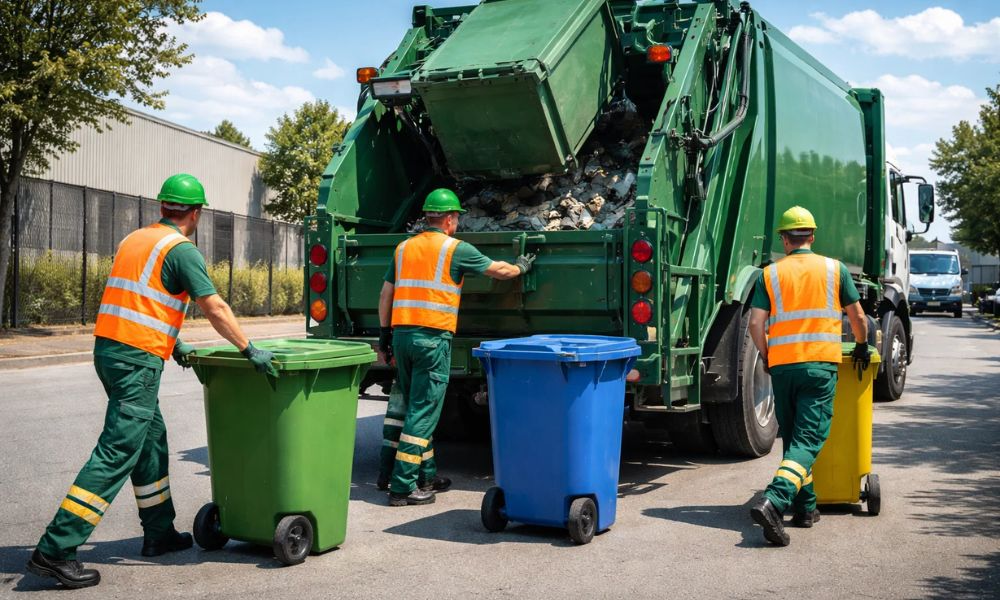
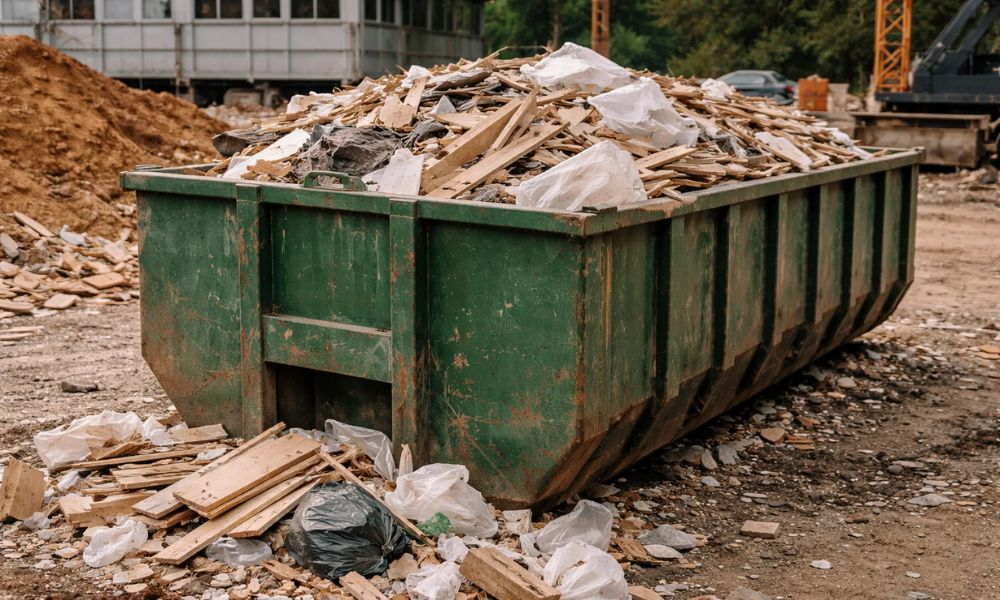
Poor waste management is among the greatest environmental issues in the world nowadays. The increase in population and consumption leads to an increase in the amount of waste produced on a daily basis. Waste that is not dealt with properly does not disappear into nothingness, but rather pollutes the air we breathe, the water we drink, the soil on which our food is grown, and the biodiversity which supports ecosystems. This blog expounds on the consequences of waste when it is disposed of inappropriately, the significance of the same, and how responsible treatment of waste could be essential to ensuring environmental protection and sustainability, as provided by waste disposal firms in Abu Dhabi.
In urban areas such as Abu Dhabi, where urbanization is being witnessed, proper waste management is crucial to ensuring the balance of the environment. Companies such as Al Merzaam Environmental and Transport LLC, which is considered one of the top waste management and transportation firms in Abu Dhabi, UAE, are important in making sure waste does not pose any danger to the environment or human health.
1. Soil Contamination and Land Degradation
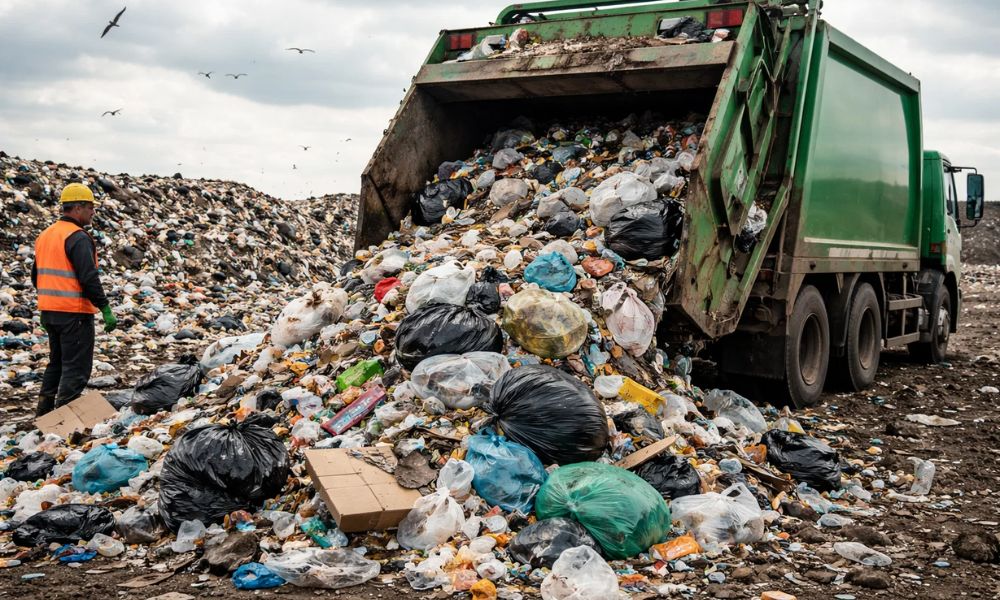
In the event that waste is carelessly disposed of in the open sections of the land, or even in landfills that are unlined, the toxic substances leak into the ground. These toxins are heavy metals, chemicals, and persistent organic pollutants, which alter the normal chemistry of the soil, rendering it less fertile and even unsafe to plants and agricultural activities. Polluted soils prevent vegetation growth, reduce biodiversity, disrupt the natural ecosystem, and cause irreversible damage to ecology in the long term.
2. Water Pollution and Aquatic Harm
Water pollution is one of the worst effects of the inappropriate disposal of waste. The seepage of waste piles into the groundwater that forms the source of drinking water can introduce toxic chemicals, micro-pollutants into the surface waters of rivers or lakes, or may be absorbed by rainwater, which then may produce the same impact. Due to pollution, water becomes very dangerous to both human beings and animals. Aquatic organisms may consume poisonous substances or experience a lack of oxygen, which causes the distribution of aquatic life and loss of biodiversity.
The wastes that are toxic, such as hazardous and chemical wastes, can render the freshwater unsafe for human consumption and farming. These are pollutants that are stored in the food chain and eventually impact human health.
3. Air Quality Degradation
Poorly incinerated or openly dumped wastes emit harmful gases and particles in the air. Burns of plastics, synthetic materials release noxious compounds, including dioxin, furan, volatile organic compounds (VOCs), which threaten air quality. Such pollutants cause respiratory disorders, heart complications, and even cancer in the victims.
It is even mentioned that landfills are major sources of greenhouse gas emissions. The decomposition of organic waste in anaerobic conditions leads to the emission of methane, the greenhouse gas that is much more effective than carbon dioxide, into the atmosphere, contributing to global warming and climate change.
4. Biodiversity Loss and Ecosystem Disruption
The ecology of areas around dumping sites or littered areas experiences huge changes. Animals can consume or be caught up in garbage, causing injury or death. The waste contains toxic compounds that seep into the soil and water, thereby posing even greater danger to the growth of plants and the survival of wildlife. In the long run, it may cause a lack of biodiversity and unbalanced ecosystems.
Also, aquatic animals, particularly marine animals, get confused with plastic waste as food, giving rise to starvation, obstruction of digestive tracts, or poisoning by chemical toxins. These impacts spread to food chains, which have an impact on whole ecosystems.
5. Human Health and Public Safety Risks
Without proper waste disposal, it is not only an issue of concern to the environment but a health crisis to the masses. Waste also attracts the disease vectors like rats, mosquitoes, and flies that may transmit infections like malaria, dengue, and gastro intestinal diseases.
Besides, communities that stay close to dumping areas face greater exposure to air and water pollution, which leads to a higher risk of respiratory diseases and skin-related and other chronic health issues. Children and vulnerable populations are particularly vulnerable since they have been exposed to harmful contaminants over a long period of time.
Also Read – The Future of Waste Management: How Smart Technologies Are Revolutionizing Waste Disposal
6. Resource Wastage and Economic Consequences
Inappropriate disposal implies that useful resources will be wasted. Products that can be recycled, like metals, glass, and plastics, end up in landfills, forcing the extraction of raw materials. This not only adds pressure on the depletion of resources but also adds pressure on energy consumption and environmental pressure because of mining and manufacturing.
The economies cannot withstand the effects of high expenditures on environmental clean-up, lost tourist revenue because of unattractive scenery, and affected health systems of the locals because of polluted environments. Sustainable management of wastes will cut down these expenses and will promote economic sustainability in the long run.
7. The Need for Responsible Waste Handling
The environmental impacts of the inappropriate disposal of waste are issues that can only be tackled through the collaboration of people, industries, and governments. The effects can be reduced by the use of appropriate collection, segregation, recycling, and disposal methods of various types of waste through professional waste management services.
The waste disposal firms in Abu Dhabi, such as Al Merzaam Environmental and Transport LLC, are vital stakeholders in this undertaking. By providing certified and sustainable waste collection, transportation, and disposal solutions, the companies contribute to environmental protection and human health, as well as to the sustainability of the city.
Conclusion
The negative impact of poor waste disposal is tremendous and has a significant impact on the environment. Speaking of contaminating the most vital elements of nature, such as soil and water, undermining the quality of air, and threatening wildlife, improperly controlled waste is a danger to the natural habitat and human well-being. The positive area is that with proper waste management, which is under the guidance of professional services like waste disposal companies in Abu Dhabi, these risks would be greatly minimized. The front-runners in this mission are the leading service providers, such as Al Merzaam Environmental & Transport LLC, who are able to provide practical, compliant, and sustainable waste solutions that protect the environment today and for the generations yet to come.