- Have any questions?
- +971 50 7210729
- +971 2 2358552
- info@almerzaam.com


Common Types of Waste Disposal Methods Explained
February 21, 2026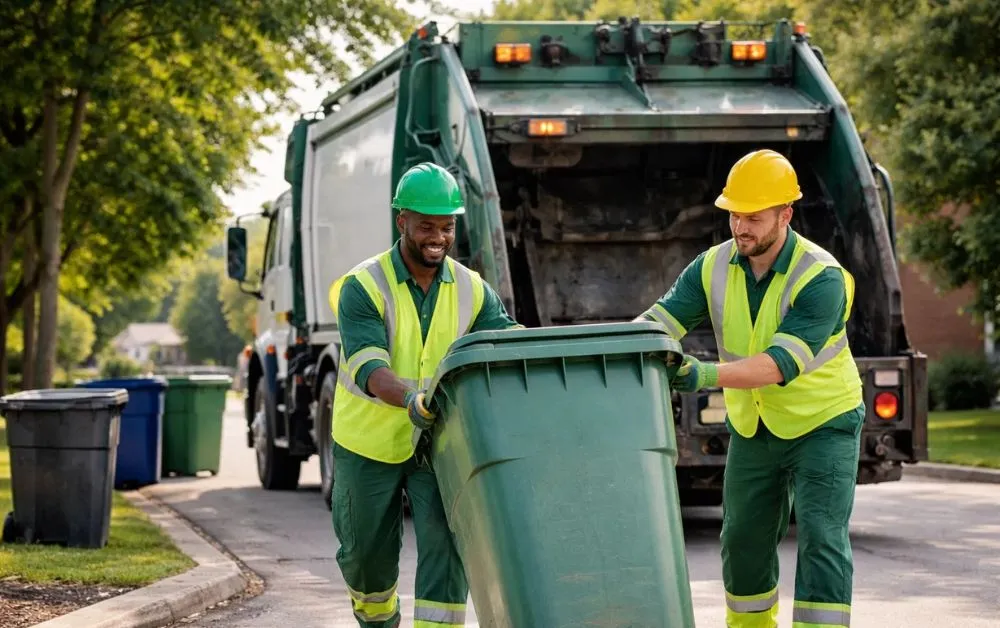
In the modern world that is fast urbanizing, sustainable development and environmental health have become central in the contemporary city planning agenda. Effective waste management is one of the most essential elements of this vision. Waste management services determine the manner in which smart cities operate and thrive, whether it is through pollution reduction, improving the health of people, or reusing resources. In cities such as Abu Dhabi, where Abu Dhabi waste management companies play a crucial role in meeting the sustainability goals, sophisticated waste systems are not merely utilities, but rather, very important components of urban innovation.
What Makes a city “Smart”?
A smart city involves technology, data, and interconnected systems to enhance the quality of life of the people living in the city as well as ensure that the resources are efficiently utilized. This implies the incorporation of digital solutions in transport, energy, water, and significant waste management. Smart cities engage technologies like IoT (Internet of Things), data analytics, and automation to make the city services more responsive, sustainable, and cost-effective.
Waste Management as a Pillar of Smart City Infrastructure
A well-developed waste management system is at the core of an intelligent city. With the growth of populations and the rate of consumption, cities experience increasing difficulties with solid waste, hazardous substances, sewage, and industrial byproducts. These dynamics are no longer compatible with traditional waste systems that are based on fixed pick-up schedules and manual planning. Smart cities understand that waste management should be transformed into a predictive, adaptive, and citizen-oriented one.
Waste management services play key parts in smart cities that include:
1. Environmental Protection and Public Health
Proper waste management has the effect of avoiding contact of the population with hazardous materials, lowering the cases of air and water pollution, and eliminating disease vectors such as rodents and insects. In the absence of organized waste collection and proper disposal systems, the environment in the cities can soon become unhealthy and uninhabitable. This is more essential in crowded cities where improper waste management may cause a high rate of environmental degradation.
2. Resource Recovery and Circular Economy.
Innovative waste systems do not dump trash, but they reuse useful products. Cities can reduce the use of landfills and produce economic prospects out of waste streams through segregation at the source, recycling initiatives, waste-to-energy, and composting. The recycling of metals, plastics, and organics will save on natural resources and ensure sustainable supply chains.
3. Technology-Driven Efficiency
Smart cities embrace the use of digital solutions to monitor waste, optimize routes, and use predictive analytics. Indicatively, certain towns have adopted sensor-powered bins which, in turn, indicate the level of fill in real-time, allowing collection to be arranged at only-needed frequency. This saves on fuel, labor expenditure, and traffic snarl-ups – not to mention that it is clean and responsive.
4. Data-Informed Decision Making
City planners can understand the pattern of waste production in the neighborhoods, industries, and seasons with integrated systems. The information is helpful in streamlining the collection routes and in estimating the demand on the recycling facilities, as well as to gauge performance against the sustainability objectives. Integrating the waste data in more comprehensive intelligent city dashboards, municipal authorities will be able to react to newly appearing trends fast and in a strategic way.
Also Read – How Are Waste Management Companies Adapting to New Regulations and Compliance Requirements?
Case Example: Waste Management in Abu Dhabi
In Abu Dhabi, the waste management service is on the brink of ensuring that environmental responsibility is combined with an innovative urban approach. In accordance with sustainability plans in the country, authorities of the emirate and non-state actors have been pursuing systems that reduce the need for landfills and enhance recycling.
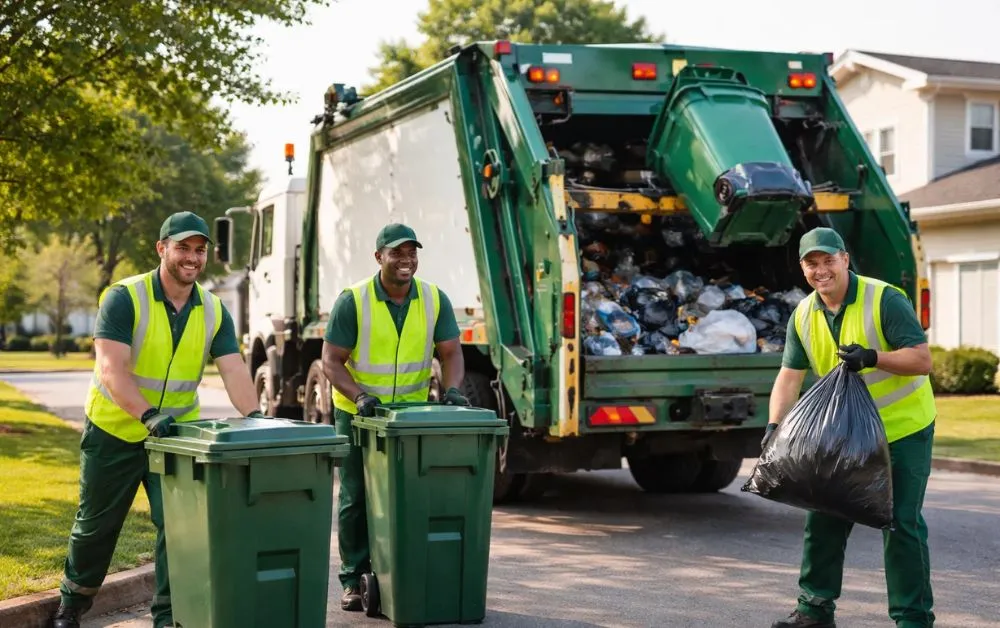
Al Merzaam Environmental and Transport LLC. is one of the waste management firms in Abu Dhabi. Having ISO certifications and a wide range of services, such as skip services, hazardous waste collection, tanker trucks, and liquid waste removal, Al Merzaam has the look of the holistic approach required in smart cities. They are also intended in their operations not only to handle waste effectively, but also to comply with the environment, safety, and innovation in their waste transport and disposal.
The Broader Benefits of Smart Waste Management
Innovative waste systems help to achieve several goals of urban sustainability:
- Less Carbon Footprint: The cities will decrease the number of greenhouse emissions by streamlining the collection routes and implementing Eco-friendly vehicles.
- Better Quality of Life: Clean streets, health risks, and recycling make the cities nicer places to live.
- Economic Value: Recycling sectors, energy recovery, and products derived from waste contribute to the development of new economic sectors.
- Community Engagement: Smart cities give the community the means to engage in waste management – e.g., by having mobile apps to notify the town about overflowing bins or to request that they be picked up.
Challenges and the Road Ahead
The opportunities are enormous, but there are not so many difficulties with the implementation of innovative waste management. There are infrastructure improvements and technological implementation, which require technical skills, and the involvement of the population, which depends on their beliefs and incentives. Moreover, there is still a need to integrate different data systems within departments, and information sharing needs to be secured.
Nevertheless, such challenges are innovation opportunities as well. The greater investments the cities make into IoT platforms, AI analytics, and circular economy structures, the higher chances they will have to become resilient and sustainable.
Conclusion
The contribution of waste management services to smart cities is hard to overestimate. They are fundamental to the environmental health, economic feasibility, and livability of the cities. Combined technological waste management systems are used to ensure that cities remain clean, efficient, and prepared to meet the future. The transformation that is already taking place in terms of innovative waste solutions in areas such as the UAE, and more specifically, with waste management companies in Abu Dhabi. The example of such trusted partners as Al Merzaam Environmental and Transport LLC. demonstrates that the services of waste management and transportation are critical to the smart city objectives of sustainability and quality of life.