- Have any questions?
- +971 50 7210729
- +971 2 2358552
- info@almerzaam.com


Drinking Water Tanker vs Non-Drinking Water Tanker: What’s the Difference?
January 7, 2026
How Do Truck Service Providers in Abu Dhabi Handle Hazardous or Industrial Waste Safely?
January 21, 2026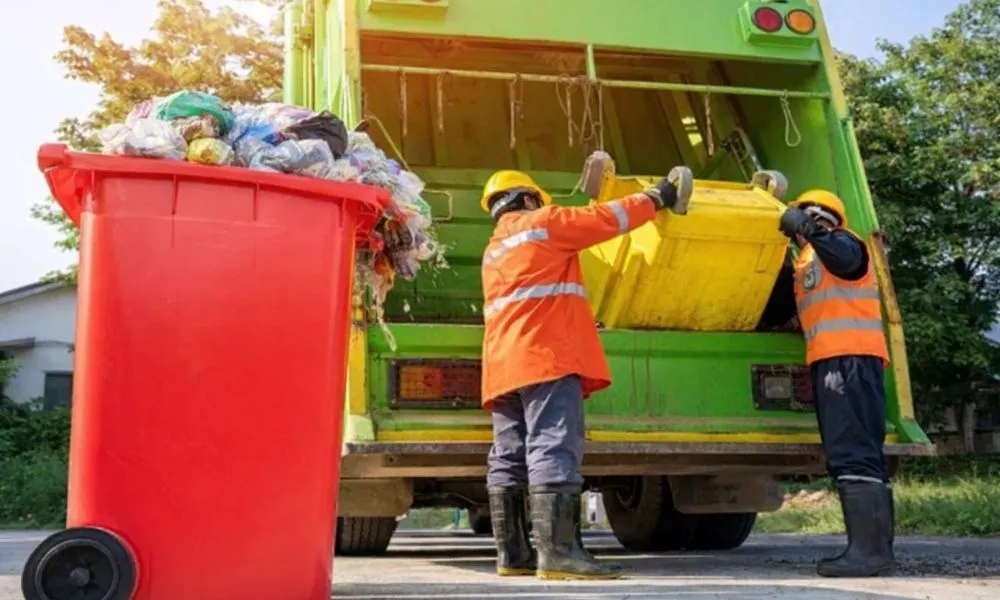
Big projects tend to produce enormous piles of waste. Whether you’re working on a construction site, a landscaping job, or an industrial project, keeping that waste under control is crucial. A clean, organized site isn’t just about appearances — it’s about safety, efficiency, and meeting environmental rules.
Skip bins are one of the easiest and most reliable ways to handle large volumes of waste. But knowing how often to schedule pickups makes all the difference. Too few, and your site becomes cluttered and unsafe. Too many, and you’re spending more than you need to. Finding the right balance keeps your project running smoothly from start to finish.
Why Scheduling Matters
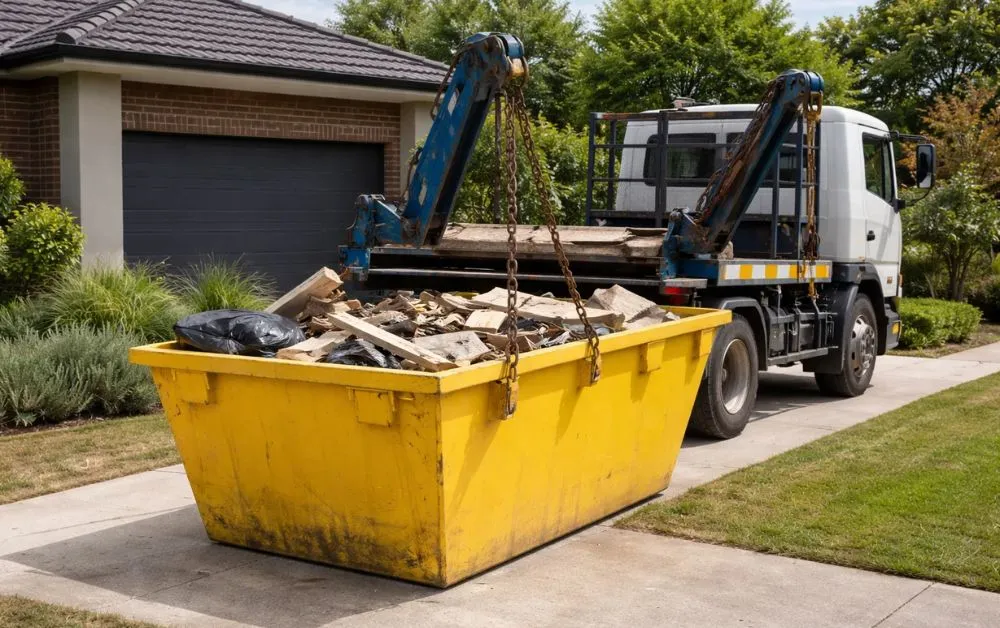
Having skip bins on-site is only half the job — the real impact comes from how well you plan their collection. A good waste removal schedule affects almost every part of a project.
-
Safety comes first.
When waste piles up, it can cause serious problems — tripping hazards, blocked paths, and even fire risks. Regular bin collections prevent these issues and keep the site safe for everyone.
-
Smooth workflow.
A tidy site is an efficient site. Workers can move freely, machinery can operate without obstruction, & productivity stays on track.
-
Staying compliant.
In Abu Dhabi, waste disposal is tightly regulated. Scheduling skip bin pickups with a licensed provider helps you stay compliant and avoid unpleasant surprises, such as fines or delays caused by improper waste handling.
What Affects How Often You Need Pickups
No two projects are alike, so there’s no single rule for how often bins should be emptied. The proper schedule depends on what’s happening on-site, what kind of waste you’re dealing with, and how quickly it builds up.
1. Project size and activity level
The bigger the project, the faster the bins fill up. Demolition, excavation, or concrete work tends to generate the most waste & often requires daily or every-other-day pickups.
2. Type of waste
Different materials build up at different rates.
- Construction debris, like bricks or concrete, fills bins quickly.
- Landscaping waste, such as soil and plants, takes up space but can be collected less often.
- Hazardous materials require special handling and more frequent collection.
3. Workforce size
The more people on-site, the more waste you’ll have to deal with. Busy sites with multiple teams working long hours usually need more frequent pickups.
4. Space available
When you’re working in a tight area, there’s less room to store waste. In that case, bins need to be emptied more often. Larger sites with more space or multiple bins can stretch the schedule out a bit.
5. Project phase
Waste levels change as the project moves forward. Early stages like demolition and excavation are usually the messiest, while finishing and interior work produce much less. Adjusting the collection schedule as the project evolves keeps things running efficiently.
How to Find the Right Schedule
Figuring out how often you need skip bin services isn’t about guessing — it’s about planning. Here’s a simple approach that works for most projects.
1. Do a waste assessment.
Estimate what types of waste your project will create and how much of it. This gives you a realistic starting point.
2. Plan according to project phases.
Break the project into stages and plan pickups for each one. Daily collections suit demolition work, while a once-a-week schedule may be enough for finishing touches.
3. Keep an eye on bin levels.
Assign someone to regularly check bin levels. If bins start filling up faster than expected, increase the pickup frequency before it becomes a problem.
4. Spread out your bins.
For large projects, place multiple bins in convenient locations. This reduces crowding and allows you to stagger collections without disrupting site operations.
5. Stay in touch with your service provider.
A reliable skip bin company can adjust to your needs — increasing collections during busy periods or scaling back when waste slows down.
General Scheduling Guidelines
While every project is unique, here’s a rough guide that most sites can use as a starting point:
- Daily pickups: Demolition, excavation, or other high-waste phases.
- Every 2–3 days: Medium-sized construction or industrial work with steady waste output.
- Weekly pickups: Landscaping, finishing, or smaller projects that produce less waste.
Suggested Read – Top Advantages of Hiring a Skip Bin for Efficient Trash Removal
Smart Waste Management Tips
- Choose the right bin size so you’re not paying for half-empty loads or dealing with overflowing bins.
- Separate waste types to make recycling easier and to comply with local regulations.
- Keep bins easy for collection trucks to access — it saves time and reduces disruptions.
- Plan for busy phases when waste levels spike, such as heavy demolition or material deliveries.
- Communicate with your provider regularly to fine-tune your schedule as work progresses.
Final Thoughts
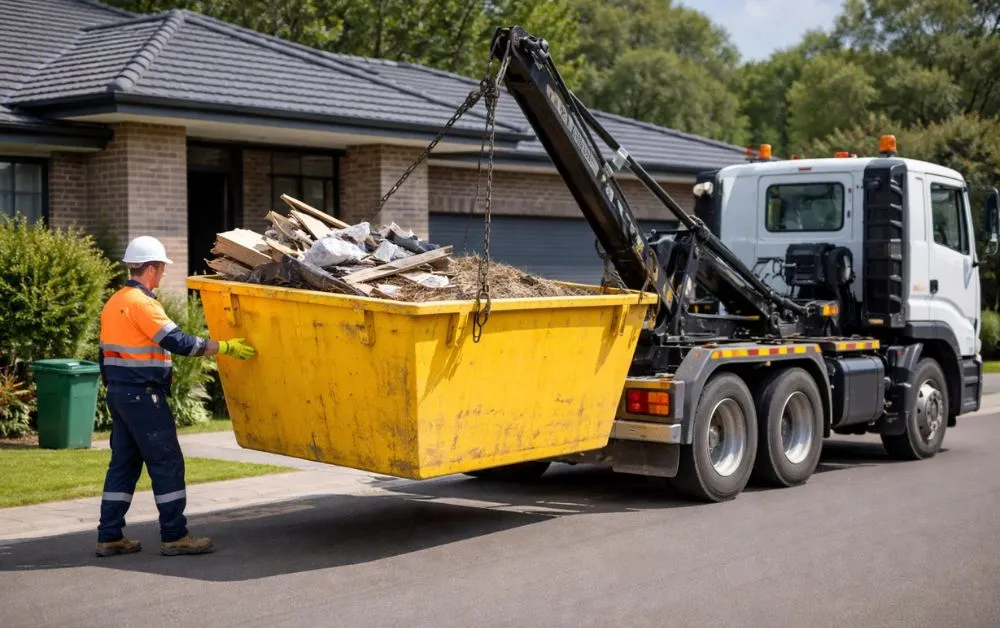
Good waste management keeps a project clean, safe, and on track. The proper pickup schedule depends on how your site operates, the type of waste you’re dealing with, and how quickly it accumulates. By monitoring your bins and working closely with a trusted provider, you can avoid delays and maintain a professional, organized site. For dependable skip bin services across Abu Dhabi, Al Merzaam Environmental & Transport LLC offers flexible, efficient solutions tailored to your project’s needs — ensuring your site stays clean, compliant, and ready for what’s next.