- Have any questions?
- +971 50 7210729
- +971 2 2358552
- info@almerzaam.com


How Do Truck Service Providers in Abu Dhabi Handle Hazardous or Industrial Waste Safely?
January 21, 2026
Types of Waste Management Services Explained
February 7, 2026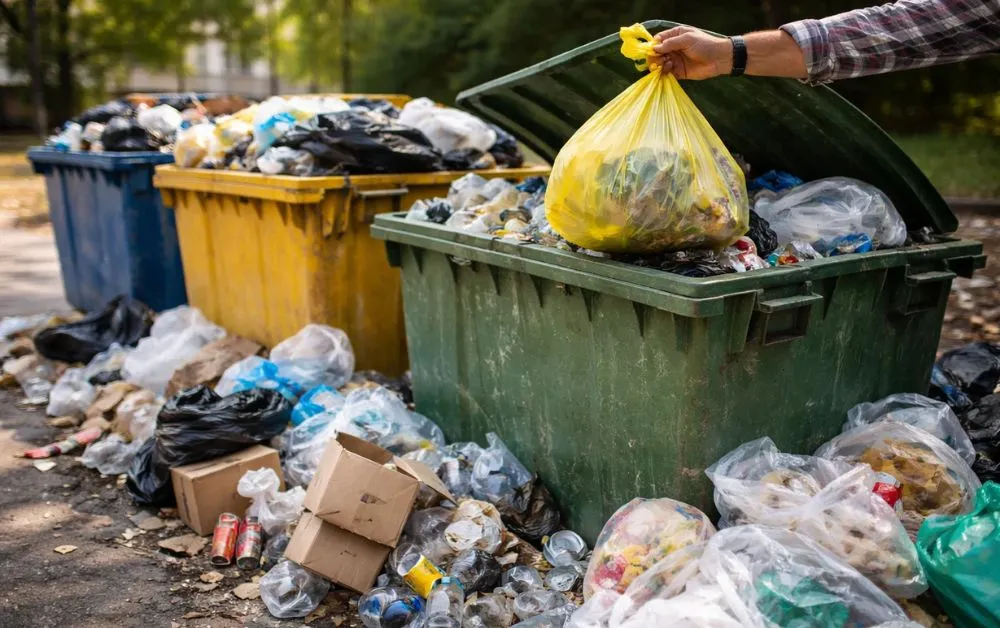
Dealing with hazardous waste isn’t just another box to tick for companies in Abu Dhabi — it’s a serious responsibility. Whether it’s a factory, hospital, or construction site, every place that generates hazardous materials has to manage them the right way. If not, the effects can be harmful to workers, nearby communities, and the environment we all share.
From leftover chemicals to medical waste, each type needs to be handled carefully. Abu Dhabi has clear rules for how this waste should be collected, transported, and disposed of — and for good reason. Ignoring them can lead to health problems, environmental damage, and heavy fines.
What Exactly Counts as Hazardous Waste?
The term “hazardous waste” covers quite a few materials, and not all of them look dangerous at first glance. In general, it includes anything that could cause harm to people or the environment if it’s not managed correctly.
Some of the most common examples in Abu Dhabi include:
- Chemical waste: leftover paints, solvents, acids, or cleaning agents.
- Medical waste: contaminated sharps, lab samples, or biological materials.
- Industrial by-products: things like metal sludge or chemical residues.
- Construction waste: asbestos, treated timber, or paint tins.
These materials are risky because they can cause serious health issues, pollute soil and water, or even trigger fires or chemical reactions if stored incorrectly. So, safe disposal isn’t optional — it’s a must.
The Rules in Abu Dhabi
Abu Dhabi’s environmental authorities take hazardous waste management seriously. Businesses can’t simply load this kind of waste onto a truck and dump it somewhere — every step is monitored and regulated.
Here’s what the law requires:
1. Only licensed companies can handle it
Only authorized waste disposal companies in Abu Dhabi can collect, transport, and dispose of hazardous materials. Companies must have approval from the Environment Agency – Abu Dhabi (EAD) or other regulatory authorities.
2. Proper paperwork is mandatory
Every batch of hazardous waste must be documented — what it is, how much there is, where it’s from, and where it’s going. This helps trace the entire journey from generation to final disposal.
3. Disposal at approved facilities only
Hazardous waste can’t go to regular landfills. It must be treated at specialized facilities that are designed to neutralize or safely contain it — through incineration, chemical treatment, or controlled landfill sites.
4. Transport safety
Vehicles that carry hazardous waste are built for the job. They have sealed tanks, spill containment systems, and emergency equipment. Drivers are trained to handle spills or accidents and follow approved routes to reduce risk.
The Risks of Getting It Wrong
Cutting corners when it comes to hazardous waste doesn’t just break the law — it puts people and the environment at real risk.
-
Health hazards
Workers can get exposed to toxic chemicals or fumes, leading to burns, respiratory problems, or worse. In hospitals, improper handling of medical waste can spread infections.
-
Environmental impact
Leaking waste can seep into soil or groundwater, damaging plant and animal life. Once contamination happens, cleaning it up is difficult and expensive.
-
Legal and financial trouble
Authorities in Abu Dhabi don’t take violations lightly. Companies caught disposing of hazardous waste illegally face severe fines, possible license suspension, and long-term reputation damage.
Safer Ways to Handle Hazardous Waste
Keeping hazardous waste under control doesn’t have to be complicated — but it does take planning and consistency.
1. Separate it early
Don’t mix hazardous materials with general waste. Use labeled containers and store them separately. This aids prevent chemical reactions and makes transport safer.
2. Store it properly
Keep hazardous waste in containers that don’t leak or corrode. Store them in well-ventilated, secure areas away from the public and weather exposure.
3. Train your team
Everyone who handles hazardous waste should know precisely what they’re handling and how to handle it safely. Workers should have protective gear and know what to do in case of spills or exposure.
4. Work with certified partners
Partnering with a licensed waste management company is the safest and most efficient approach. These professionals have the trucks, permits, and facilities needed to dispose of hazardous materials properly.
5. Keep track of everything
Regular audits, logs, and inspections can ensure compliance. Monitoring how much waste you generate — and how it’s handled — makes it easier to avoid mistakes.
Also Read – How Is Hazardous Waste Handled in Abu Dhabi Waste Management?
Why It Pays to Hire Professionals
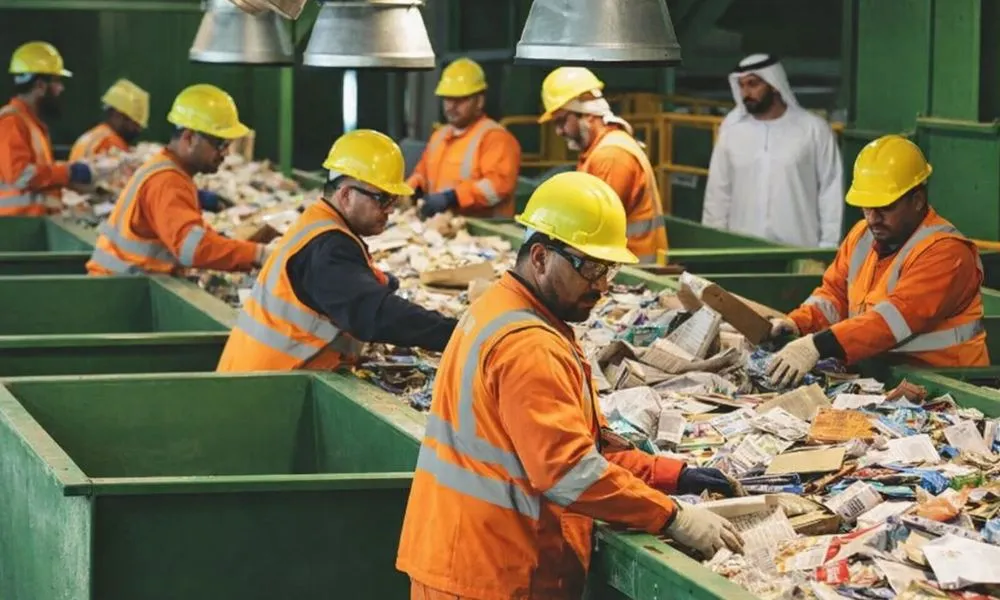
For most companies, managing hazardous waste in-house isn’t worth the risk. Certified service providers have the right vehicles, trained staff, & approved disposal sites to make sure everything is handled safely and legally.
By outsourcing this work, businesses can focus on their core operations while knowing their waste is managed correctly — without the risk of penalties or environmental harm.
Final Thoughts
Hazardous waste disposal isn’t just about following regulations; it’s about protecting people and the environment. Abu Dhabi has clear systems in place for a reason — and when companies follow them, everyone benefits.
By sorting, storing, and disposing of hazardous waste responsibly — and working with certified waste management providers — businesses can operate safely and sustainably while remaining fully compliant with the law.
For reliable, licensed hazardous waste management in Abu Dhabi, Al Merzaam Environmental & Transport LLC offers professional truck and waste handling services that meet all safety and environmental standards.