- Have any questions?
- +971 50 7210729
- +971 2 2358552
- info@almerzaam.com


Which Industries Rely Most on Water Tanker Suppliers?
December 28, 2025
How Often Should You Schedule Skip Bin Services for Large Projects?
January 14, 2026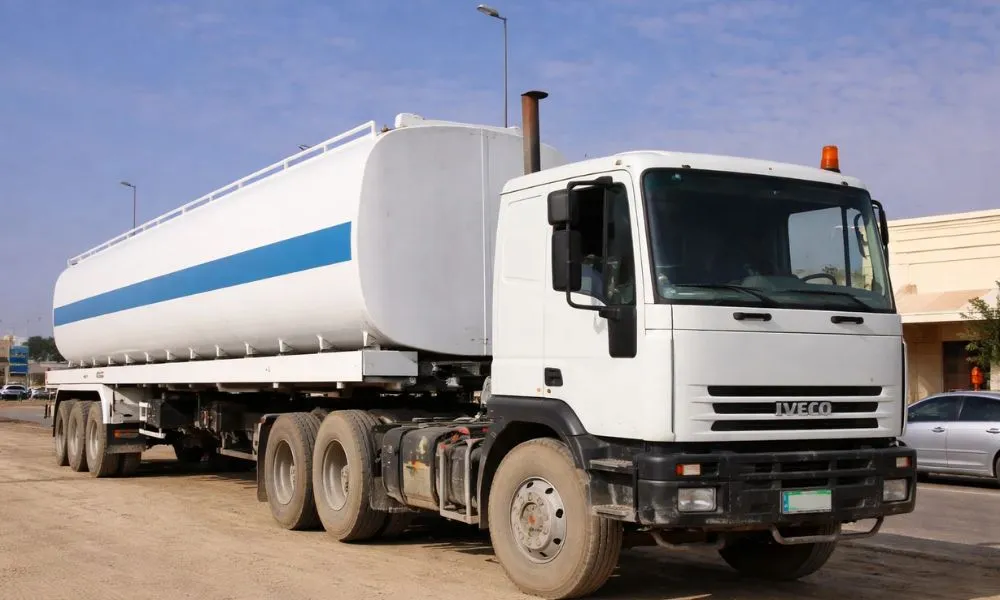
Across Abu Dhabi and the UAE, a reliable water supply is the backbone of daily life — from construction sites and landscaping projects to labour camps, offices, and residential communities. While pipelines cover most areas, many still rely on tanker services to get water where it’s needed.
But not all tankers are the same. Some deliver water safe to drink, while others offer water intended for industrial or environmental use. Understanding the difference between drinking water tankers and non-drinking water tankers aids you choose exemplary service and avoid costly mistakes, especially when safety & hygiene are on the line.
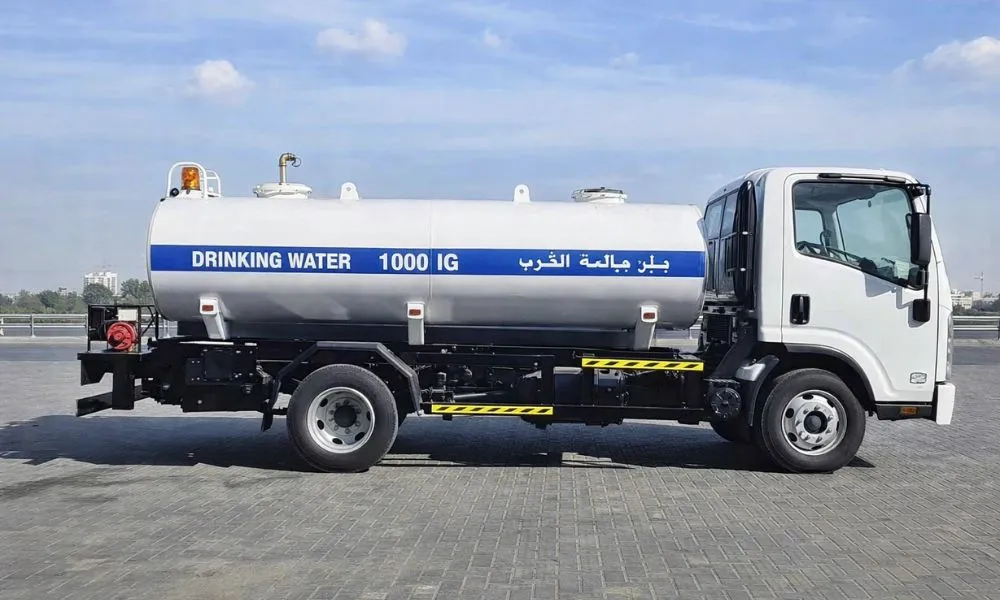
A Quick Look at the Two
At first glance, both tankers might look identical. But what they carry — and how they’re handled — makes a world of difference.
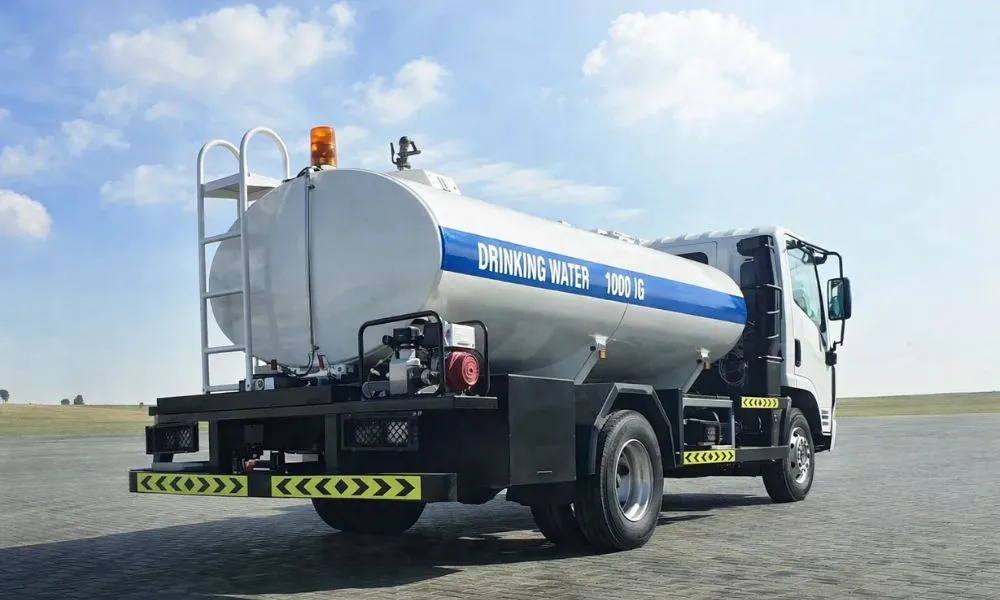
Drinking Water Tankers
These are designed for water that’s safe for human consumption. The water meets health and hygiene standards set by the UAE authorities. Every step — from filling to delivery — follows strict cleaning and monitoring processes to keep it free from contamination.
Non-Drinking Water Tankers
These tankers supply water for construction, dust control, landscaping, and industrial cooling. The water isn’t treated for drinking, so it’s not suitable for human use. As a result, the tank standards and inspection requirements are more relaxed.
What Sets Drinking Water Tankers Apart
When you order a drinking water tanker, you’re getting a service that’s regulated to the highest safety standards. Here’s what makes them different:
Water Quality That Meets Health Standards
- The water is tested regularly to make sure it meets potable standards.
- It’s checked for bacteria, chemicals, and any impurities.
- Transport and storage conditions are carefully monitored.
Safe Tank Construction and Clean Handling
- The tanks are made from food-grade materials, often stainless steel or coated interiors.
- They’re cleaned & disinfected on a strict schedule.
- Drivers and handlers are trained specifically for safe drinking water delivery.
Certification and Regular Inspection
- Drinking water tankers must be approved by local authorities.
- Regular inspections make sure tanks, hoses, and fittings remain hygienic.
Used for One Purpose Only
- These tankers carry only drinking water — never wastewater, industrial water, or anything else.
If you need water for homes, restaurants, worker camps, or any place where people drink it, always go with a certified drinking water suppliers in Abu Dhabi. It’s not just safer — it’s the law.
Understanding Non-Drinking Water Tankers
Non-drinking water tankers are built for practicality and cost efficiency. They’re used in places where water quality isn’t a health concern — but reliability still matters.
Common Uses Include:
- Construction sites and roadwork
- Dust control and compaction
- Landscaping and irrigation
- Cleaning and maintenance tasks
- Industrial cooling systems
What You Can Expect:
- The water is filtered but not purified for consumption.
- It might contain minerals or sediments safe for non-drinking purposes.
- Tanks do not want food-grade interiors, but are still cleaned to prevent buildup.
These tankers are more budget-friendly and ideal for large-scale operations that want a steady water supply without the added cost of potable standards.
Also Read – How Do Drinking Water Suppliers Ensure Quality and Safety in Their Products?
Comparing the Two at a Glance
| Feature | Drinking Water Tanker | Non-Drinking Water Tanker |
| Purpose | Safe for drinking and cooking | For industrial, landscaping, and cleaning use |
| Water Quality | Tested and approved for human consumption | Not suitable for drinking |
| Tank Material | Food-grade, cleaned regularly | Standard materials with basic cleaning |
| Certification | Requires approval and hygiene checks | No potable certification required |
| Cost | Higher, due to strict quality standards | Lower, suitable for bulk use |
| Health & Safety | Safe for all household and food uses | Not safe for human contact or drinking |
How to Pick the Right Tanker
Choosing the right tanker isn’t complicated once you know your purpose. Here’s what to keep in mind:
-
Know What You Need the Water For
Drinking? Cooking? Cleaning? Irrigation? The answer decides which tanker to order.
-
Check the Supplier’s Credentials
Always ask for certification if you want potable water. Trusted suppliers in Abu Dhabi can show you approval documents.
-
Ask About Cleaning and Maintenance
Especially for drinking water, regular cleaning schedules are non-negotiable.
-
Match Tanker Size to Your Demand
Bigger sites often want larger or more frequent deliveries.
-
Review Pricing and Reliability
Don’t just go for the cheapest option. Look for consistent delivery, transparent pricing, and responsive service.
Final Thoughts
Both drinking water tankers & non-drinking water tankers are vital to keeping Abu Dhabi’s projects, businesses, & communities running smoothly. The difference lies in purpose, safety, and standards.
If water is meant for human use, only certified drinking water tankers should be trusted. For everything else — from construction and landscaping to cooling systems — non-drinking tankers offer a practical, cost-effective choice. For dependable, compliant, and on-time water delivery across Abu Dhabi, Al Merzaam Environmental & Transport LLC offers professional water supply services tailored to every project’s needs — whether you need clean, potable water or reliable bulk non-drinking water for site operations.