- Have any questions?
- +971 50 7210729
- +971 2 2358552
- info@almerzaam.com


Benefits of Scheduled Water Tanker Supply for Residences
February 14, 2026
Role of Waste Management Services in Smart Cities
February 28, 2026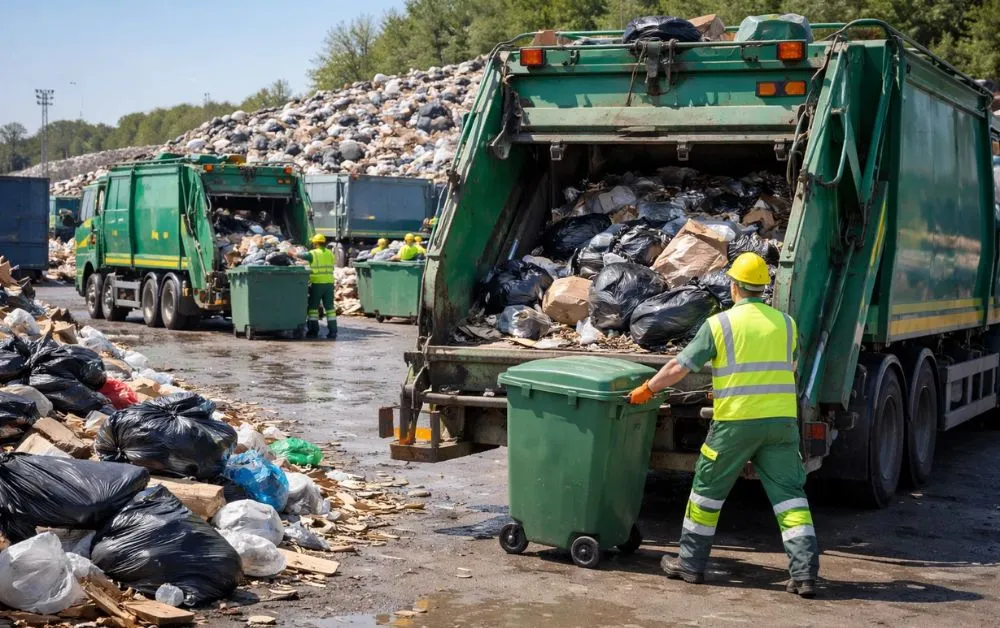
Waste management is crucial to human health, environmental welfare, and sustainable development. As urbanization and industrialization increase, there is even more waste that is produced on a daily basis. This necessitates people, corporations, and societies to gain knowledge on the manner in which waste is managed and disposed of properly. In some areas, such as Abu Dhabi, the strictness of the environmental regulations and the environmental awareness have raised the need to have professional Waste disposal companies in Abu Dhabi that can effectively and safely undertake the disposal of waste.
The blog describes the most popular forms of today’s waste disposal techniques and refers to their significance in developing a more sustainable and cleaner future.
1. Landfill Disposal
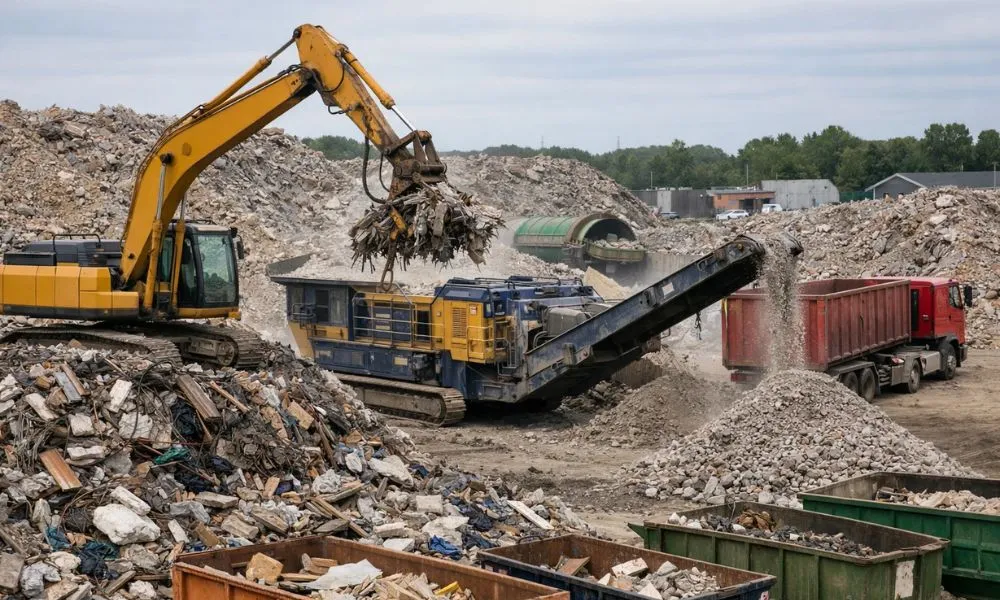
One of the oldest and most commonly used ways of disposing of waste is through landfill disposal. Under this approach, the waste is pushed to allocated landfills, where it is pressed and covered with soil. The current landfills are designed to extend to protective liners as well as collect leachates to minimize environmental degradation.
Although landfills are cheap and can be used to dispose of large amounts of waste, they may be dangerous to the environment when they are not well managed. Some of the critical areas of concern include water pollution, land use, and the emission of methane gases, and that is why landfill disposal is considered the last option after other waste management practices such as recycling.
2. Recycling
One of the friendliest ways of waste disposal is recycling. It entails gathering and processing materials like paper, plastic, glass, and metals in order to be used again to produce new products. Recycling also preserves natural resources, saves energy, and limits the volume of waste that is disposed of in landfills.
Recycling requires proper sourcing segregation. Adequate sorting of waste will make recycling more efficient and cost-effective, and therefore is beneficial to the environment and economy.
3. Composting
Composting is a natural process where organic waste, such as food scraps, garden waste, and agricultural residues, is converted to nutrient-rich compost. This compost may be used to enhance the quality of soil in gardens and landscaping works.
Composting minimizes the emission of methane gas by diverting organic waste from landfills and helps in managing waste sustainably. It proves especially handy in residential localities, farms, and commercial kitchens, which produce masses of biodegradable waste.
4. Incineration
Incineration is the process of burning waste by use of high temperatures with the aim of shrinking the waste and destroying unwanted elements. This practice can help enormously in reducing the waste that might have to be disposed of in the end. In other instances, heat produced during incineration is harnessed to generate power, hence being considered a waste-to-energy remedy.
Even though burning waste helps to minimize the volume of trash, it should be done with a lot of care in order to reduce the amount of air pollution. Incineration sites that have been built in modern times have an improved technology of controlling emissions to minimal levels with an aim of reducing the environmental impact.
5. Anaerobic Digestion
Anaerobic digestion refers to the process of biodegradation of organic material where microorganisms are used to decompose it without the presence of oxygen. Biogas can be generated as a source of renewable energy, and digestate can be generated as fertilizer through this process.
The technique is effective, especially in food waste, agricultural waste, and sewage sludge. It is also a renewable energy producer and helps to reduce wastage, and hence is a sustainable disposal alternative.
6. Hazardous Waste Treatment
Hazardous waste refers to those materials that cause harm to the environment or human health, e.g., chemicals, medical waste products, oils, and industrial by-products. This is a waste that needs special procedures for handling and disposing of.
The most frequent methods of waste disposal of hazardous wastes are chemical treatment, secure landfill, and controlled incineration. There are strict rules that prevent the handling of dangerous waste in order to avoid any environmental pollution and health hazards.
7. Construction and Demolition Waste Management
Construction and demolition efforts also produce significant amounts of waste, such as concrete, wood, metals, and debris. This waste must be appropriately managed to minimize its effects on the environment and encourage recycling.
Such materials as metal or concrete can be recycled/reused, and new raw materials are not required. Specialist waste management agencies are involved in offering professional services to manage construction waste in an effective and regulated manner.
8. Waste Reduction and Source Minimization
The waste reduction aims at reducing the amount of waste at the source instead of managing it once it is generated. These are practices that are in the form of a reduction in packaging, reusing, and the selection of sustainable products.
The source reduction is essential in the long-term waste management plans by reducing the disposal costs and saving resources.
Related Blog – What Is the Process Followed by Waste Disposal Companies?
Role of Professional Waste Management Companies
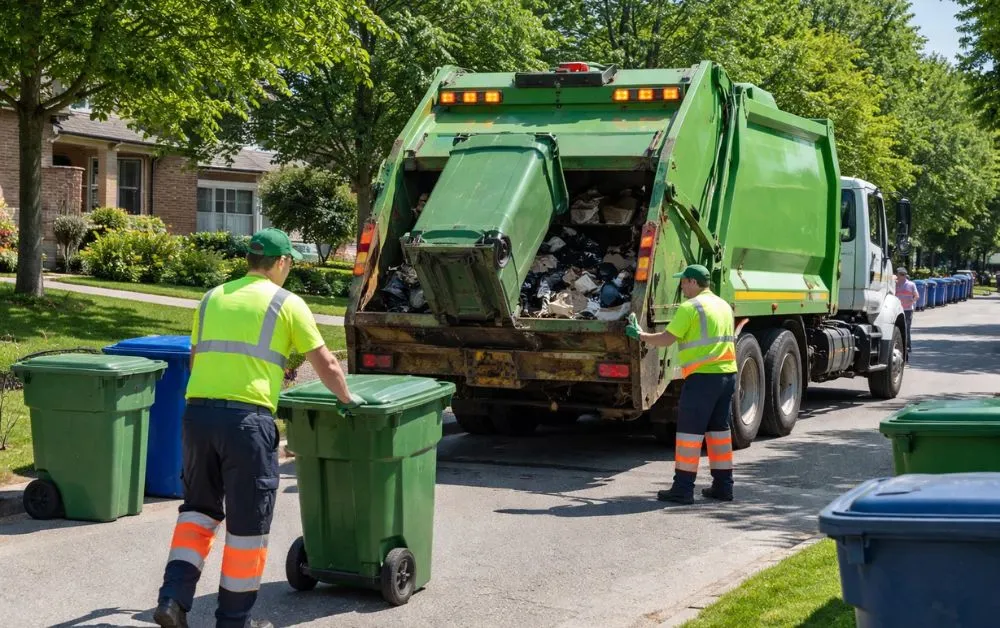
Disposing of wastes well needs skills, equipment, and adherence to local legislation. Professional service providers secure the collection and transportation of waste; treatment and disposal of waste are carried out in a safe manner. Al Merzaam Environmental and Transport LLC. is considered to be among the finest waste management and transportation firms in the city of Abu Dhabi, UAE, where it provides efficient and holistic waste management solutions to residential, commercial, and industrial waste.
Their services facilitate environmental sustainability as well as assist clients in satisfying regulatory requirements with ease.
Conclusion
To manage waste responsibly and protect the environment, it is essential to understand the popular ways of disposing of waste. With landfills and recycling, as well as the more sophisticated processes of incineration and anaerobic digestion, both methods have a particular role to play in the appropriate management of various forms of waste.
Through collaboration with the established Waste disposal firms in Abu Dhabi, natural persons and businesses can get their waste disposed of in a safe, comfortable, and sustainable way. Similar companies like Al Merzaam Environmental and Transport LLC. are still leading in the field of waste management and transportation services, thus helping to make the area clean and healthier.