- Have any questions?
- +971 50 7210729
- +971 2 2358552
- info@almerzaam.com


Importance of Waste Management in Urban Development
April 14, 2026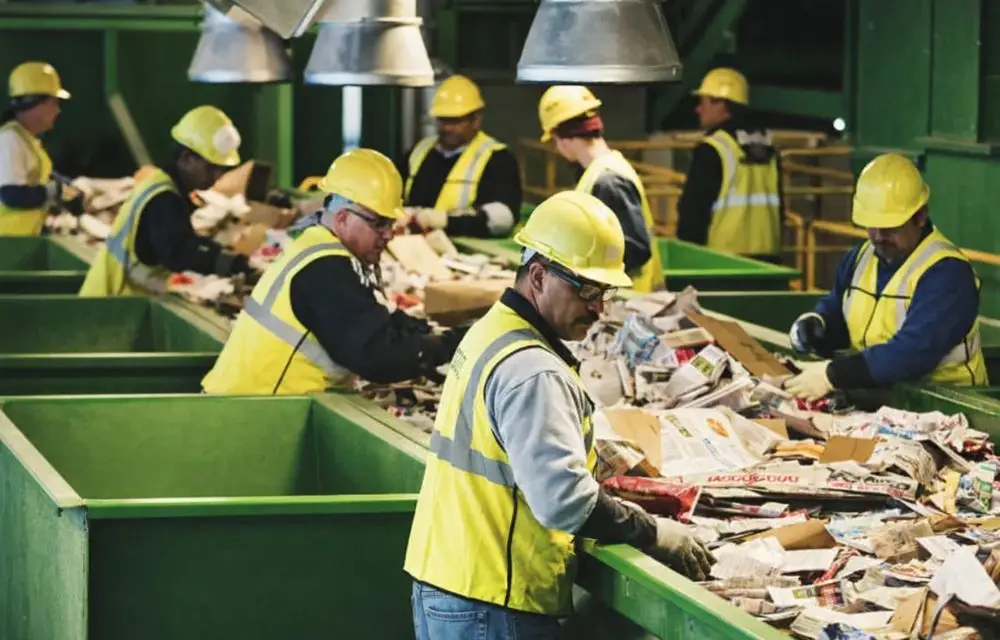
In the modern world, where urbanization is so fast, the issue of managing waste has never been of greater importance than it is today. As more people move to cities and as industries grow, the volume of garbage produced by households, offices, construction sites, manufacturing units, and so on is exploding. Waste management companies in Abu Dhabi come in such a situation, and they are central in the management of waste, which is carried out in a responsible, efficient, and sustainable manner. Waste segregation- sorting waste at the source into various types of waste, organic, recyclable, hazardous, and general waste- is one of the basic principles of responsible waste management that is often neglected. This is a very basic and yet effective measure that can change the manner in which we manage waste, minimize the environmental impact, and make the planet cleaner and healthier.
What is Waste Segregation and Why It Matters
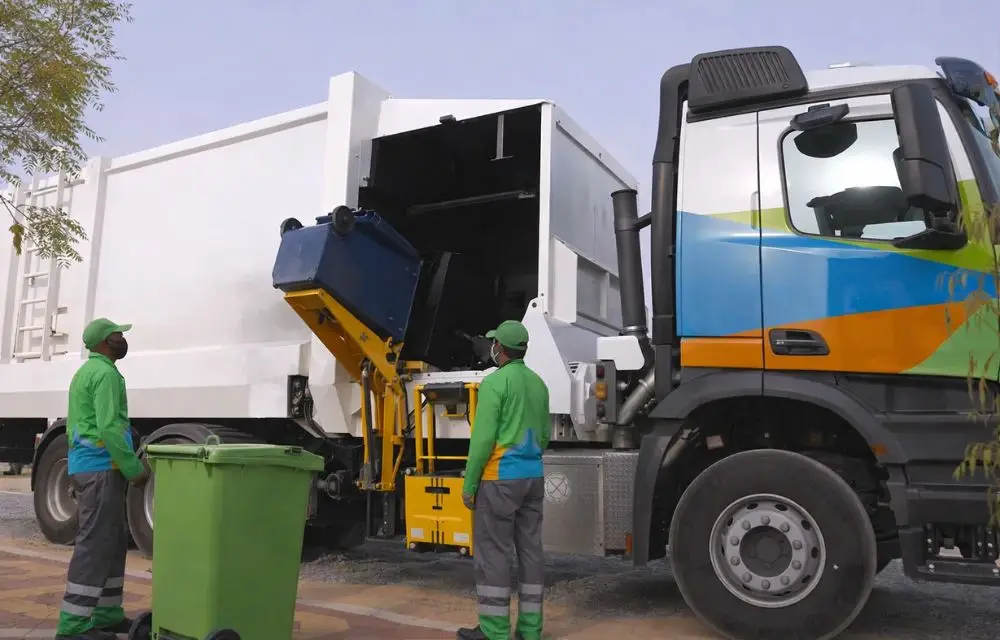
Waste segregation can be defined as the process of sorting waste into types and categories according to its type, composition, and the method of handling it. In its simplest form, the concept of segregation will make sure that every type of waste will be handled in the most suitable and ecologically appropriate way. To take the example, biodegradable kitchen waste must be separated into plastics, metals, glass, and hazardous waste such as batteries or chemicals. The appropriate segregation assists in simplifying the whole process of waste management; recycling and disposal become easier.
Upon mixing up waste, recyclables are usually found in the landfills and defile soil and water. General waste mixed with hazardous substances may cause severe health and safety problems to the sanitation workers and the population. The source level segregation not only minimizes these risks but also increases the recycling rates and efficient resource conservation, as well as decreases the total pressure on landfill facilities.
Environmental Benefits of Waste Segregation
Waste separation is of great value in the environment. To begin with, it dramatically lowers the amount of waste that is being disposed of in the landfills. Landfills are the greatest contributors to greenhouse gases such as methane, which lead to climate change. We decrease the emission of methane by diverting the problematic materials, paper, plastic, and metals to recycling streams so that we can save natural resources, which otherwise are utilized to manufacture new products.
Separated organic waste can be composted to form nutrient-rich soil additives, instead of degrading in landfills to emit harmful gases. Segregation also guarantees that dangerous wastes like batteries, paints, and chemicals are distinguished and discarded appropriately so that toxic wastes are not absorbed in the environment. Finally, waste segregation helps in healthier ecosystems and a clean environment.
Economic and Community Advantages
In addition to environmental benefits, waste segregation is of significant economic benefit. Recycling industries require clean materials that are sorted. Recycling facilities can be more efficient when waste is segregated at the source, where recycling materials are done more easily and cheaply. This promotes the idea of the circular economy, whereby garbage is not dumped, but it is converted into useful raw materials. Reusing and recycling materials helps in the reduction of the necessity to extract new materials, which helps to save energy and reduce the costs of production in industries.
The communities that adopt waste segregation also enjoy enhanced community health. Less pollution of water and soil means less contamination and spread of diseases, and the threat of dangerous pollution. Urban clean environments enhance the aesthetic value of cities, and this makes cities have better living environments that are appealing to both the people living in them and the visitors. The right management of waste also minimizes nasty smells and infestations by pests, which leads to better living standards.
The Role of Professional Waste Management Services
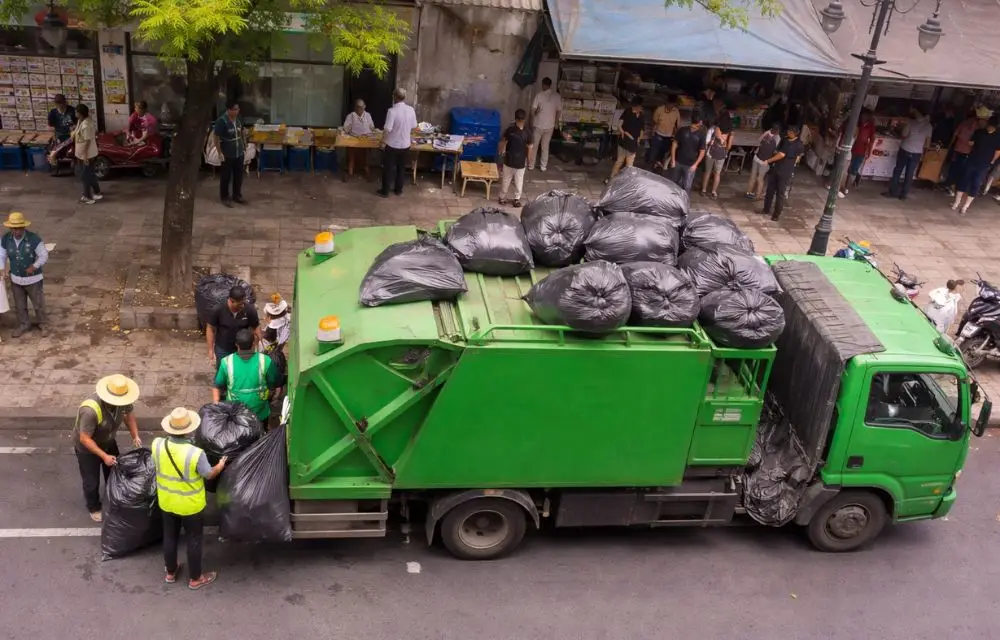
Waste segregation in Abu Dhabi is successful due to the efforts of successful waste management companies. These corporations collaborate with the companies, construction sites, residential complexes, and governmental authorities to guarantee the proper collection, sorting, transportation, and treatment of waste. The waste collection system should be safe and well-organized by providing professional waste management providers with suitable containers and skip bins, and controlled transportation services.
Al Merzaam Environmental and Transport LLC is one of the best waste management and transportation companies in Abu Dhabi, UAE. The firm is instrumental in enhancing the good practice of waste management in the different sectors. The types of waste that they serve are numerous, such as municipal, commercial waste, industrial waste, and hazardous waste. Introducing a set of waste collection and transportation processes, they contribute to ensuring that the segregated waste ends up in proper treatment or recycling plants.
Businesses such as Al Merzaam Environmental and Transport LLC. are also helping in the sustainability of the environment by persuading its clients to embrace a superior system of waste segregation at the source. They have the experience and meet the local environmental standards that make the disposal processes safer and contribute to the increased effectiveness of recycling across the region.
Related Blog – Waste Management: Challenges and Solutions
How to Implement Waste Segregation Effectively
Waste segregation in households, offices, and industrial areas is easy to introduce, provided that this is regularly done:
- Use separate bins: Separate bins should be provided in the case of organic waste, recyclables, hazardous waste, and general waste.
- Educate residents and staff: Hold awareness sessions to educate the residents and staff about the essence of sorting waste correctly.
- Ensure clear labeling: Easy instructions on bins minimize confusion and contamination.
- Partner with professionals: Work with the successful waste management companies to deliver the garbage and to dispose of it safely.
Consistency is key. Individual-level contributions can also have a significant positive effect on the environment, just by simple acts.
Conclusion
Waste separation is neither merely a suggested measure, but it is a sustainable city requirement. Waste separation at the source will help us cut down on using landfills, use up valuable resources, lower greenhouse gases, and prevent health risks to the people. With the development that is still going on in Abu Dhabi, a city with rapid growth, proper waste management systems are needed.
The maintenance of responsible waste management methods, including the employment of trusted waste disposal firms in Abu Dhabi, like the Al Merzaam Environmental and Transport LLC., will guarantee an acceptable waste management approach in terms of proper waste collection to its ultimate disposal. Through appropriate segregation patterns and giving patronage to professional waste management services, the people and companies can help to make the future of the generations to come cleaner, greener, and more sustainable.